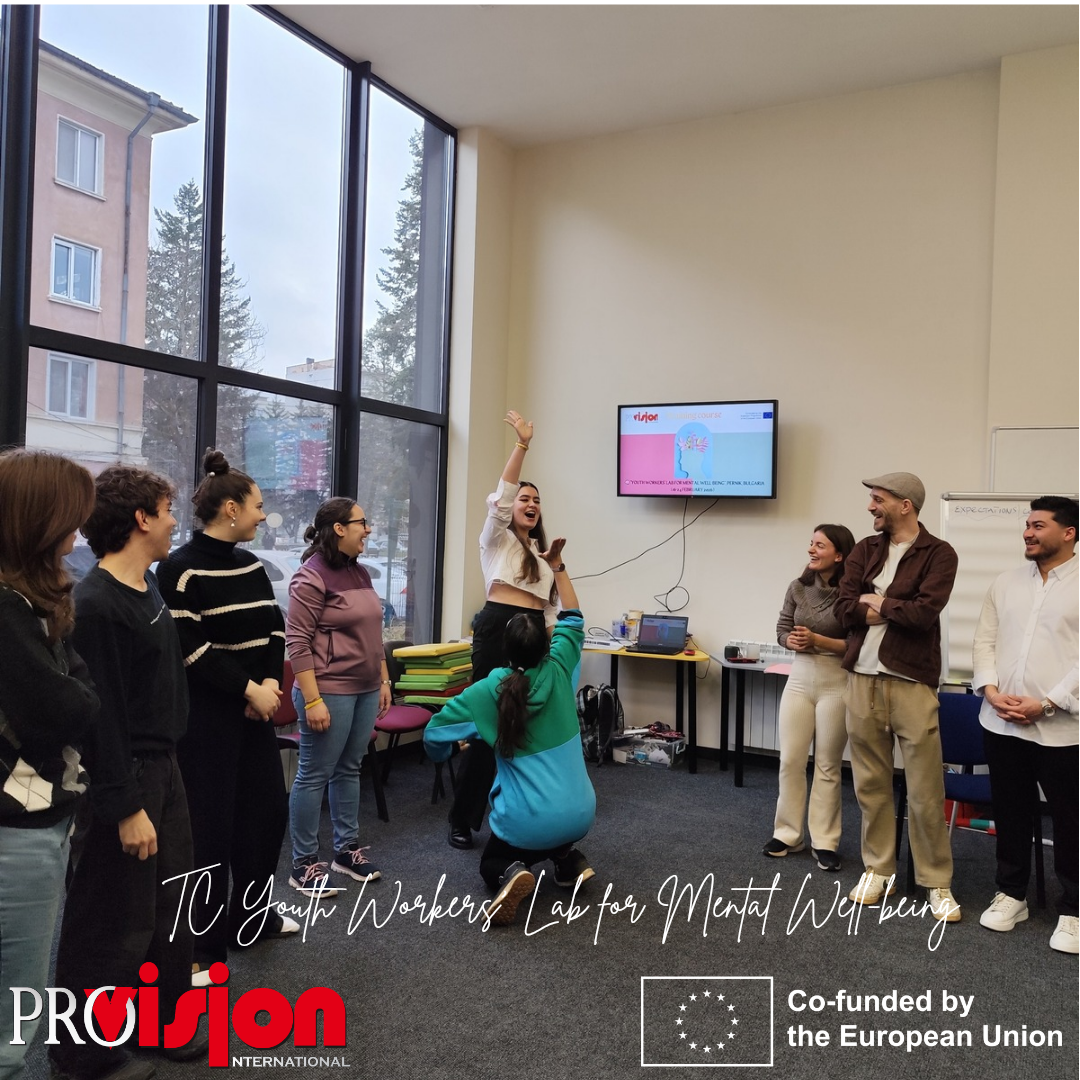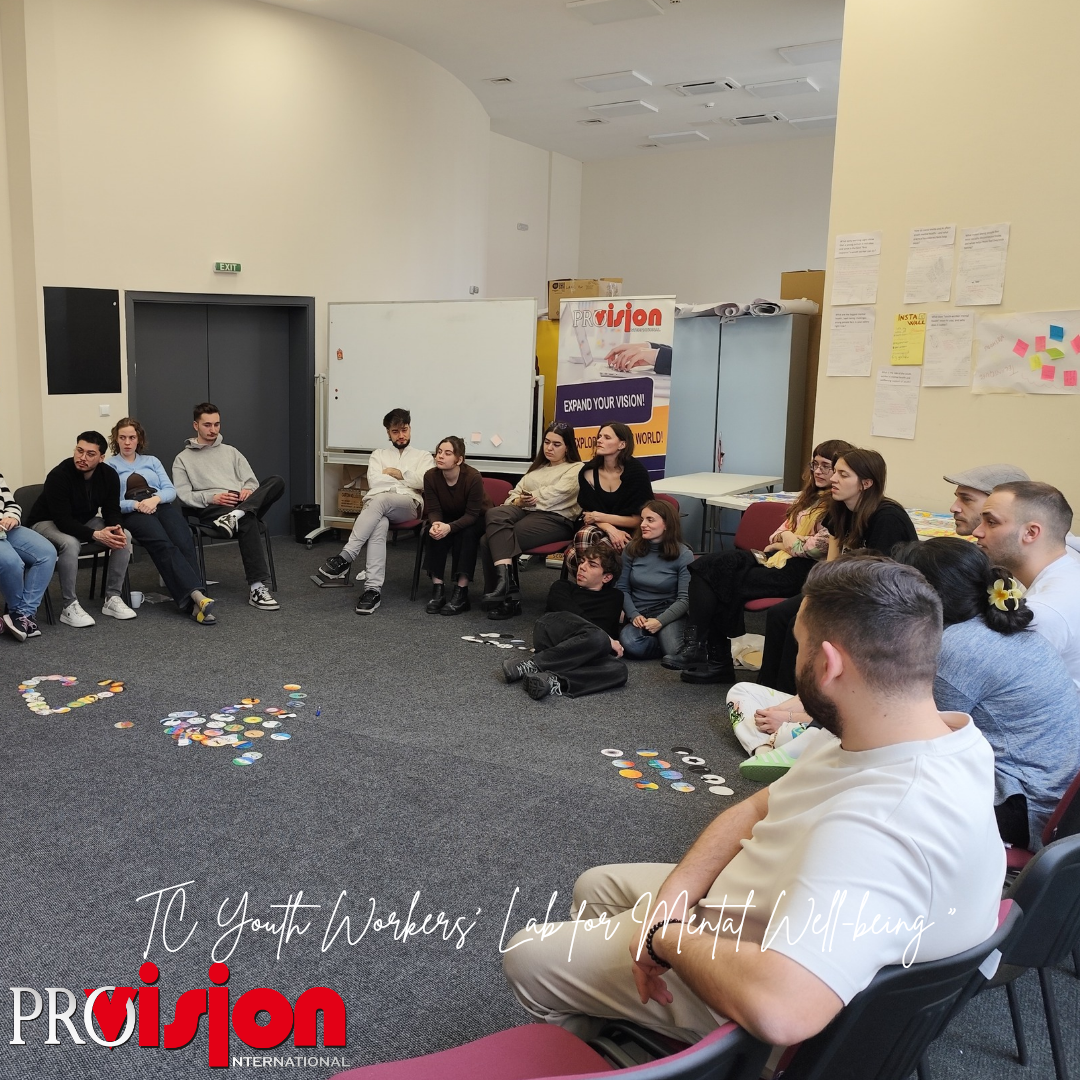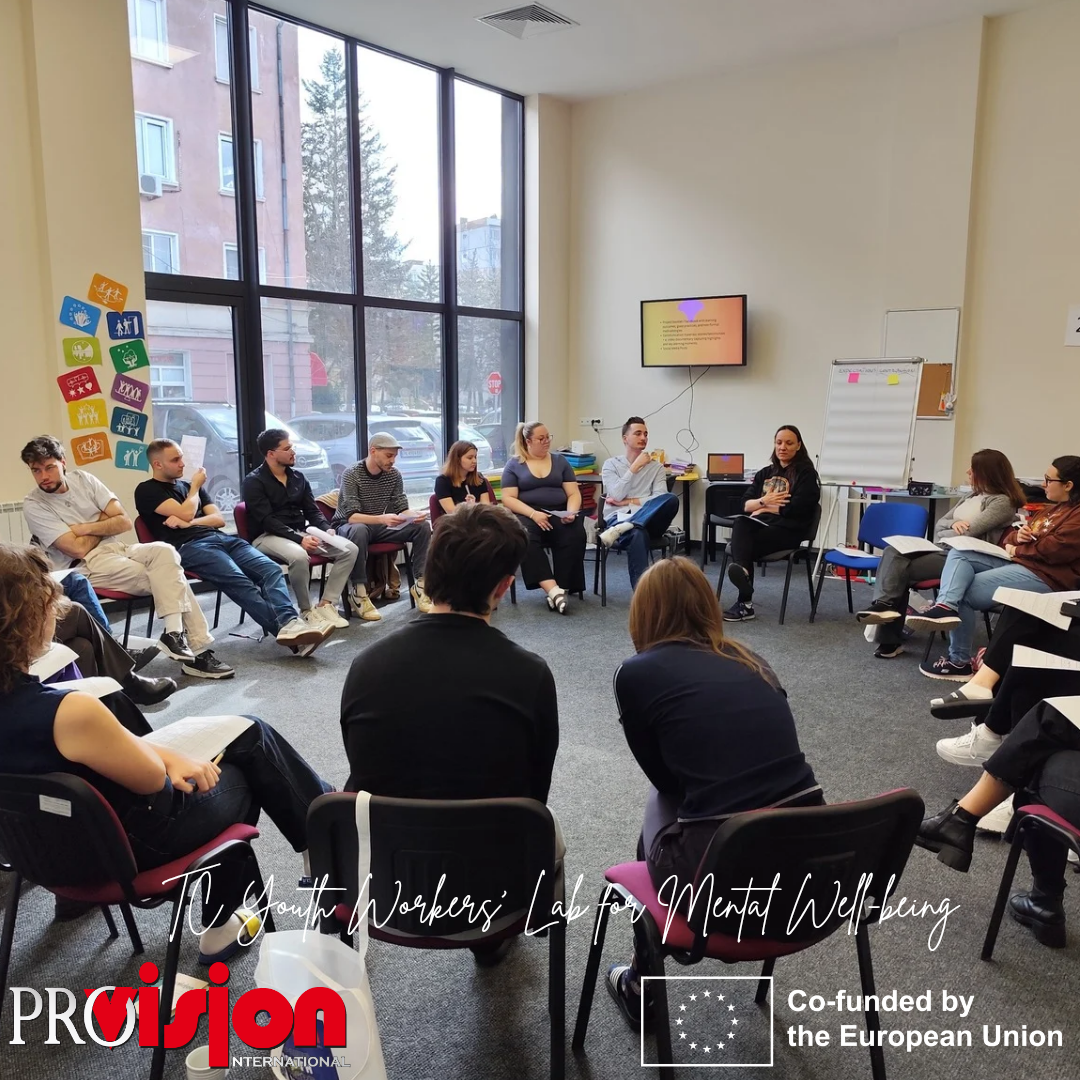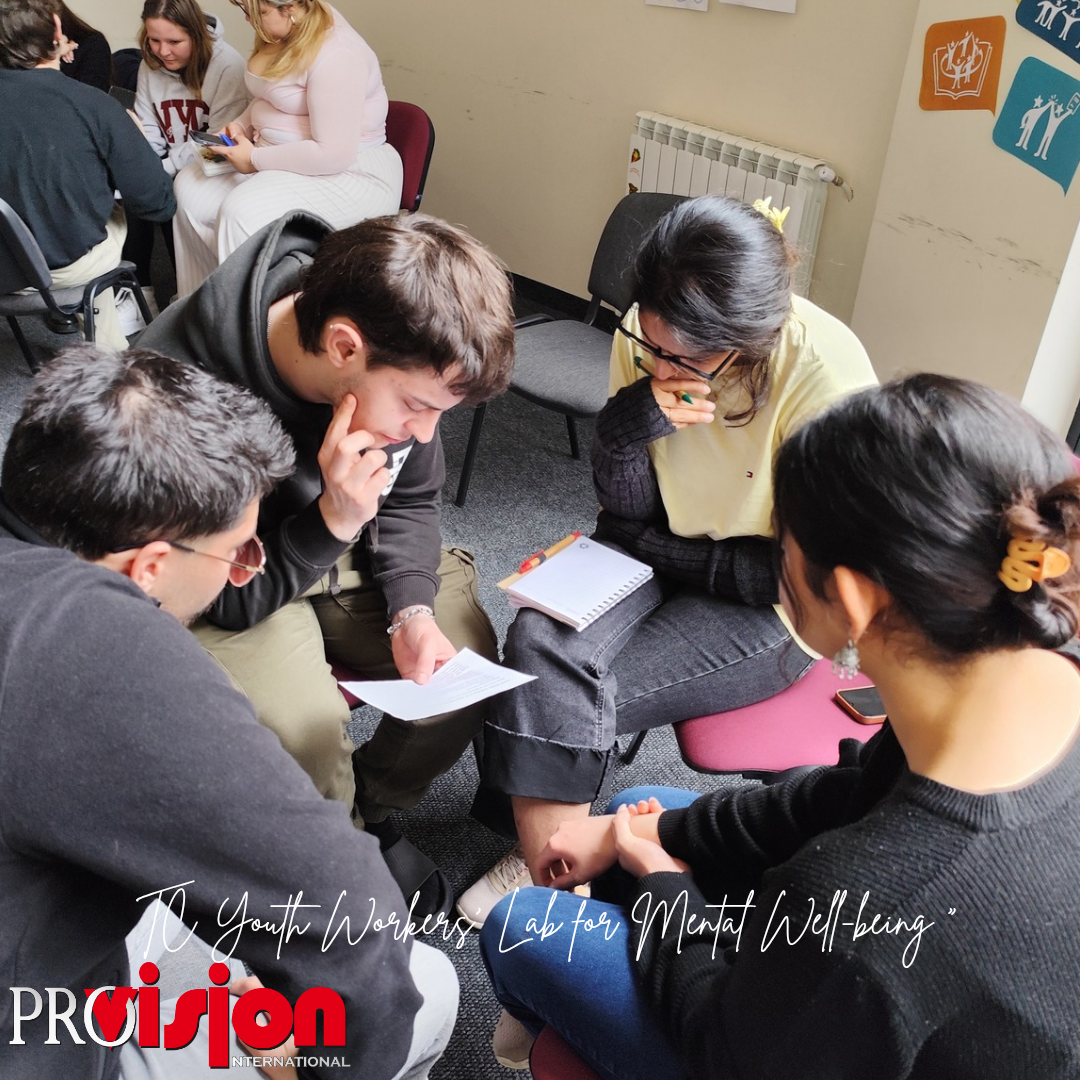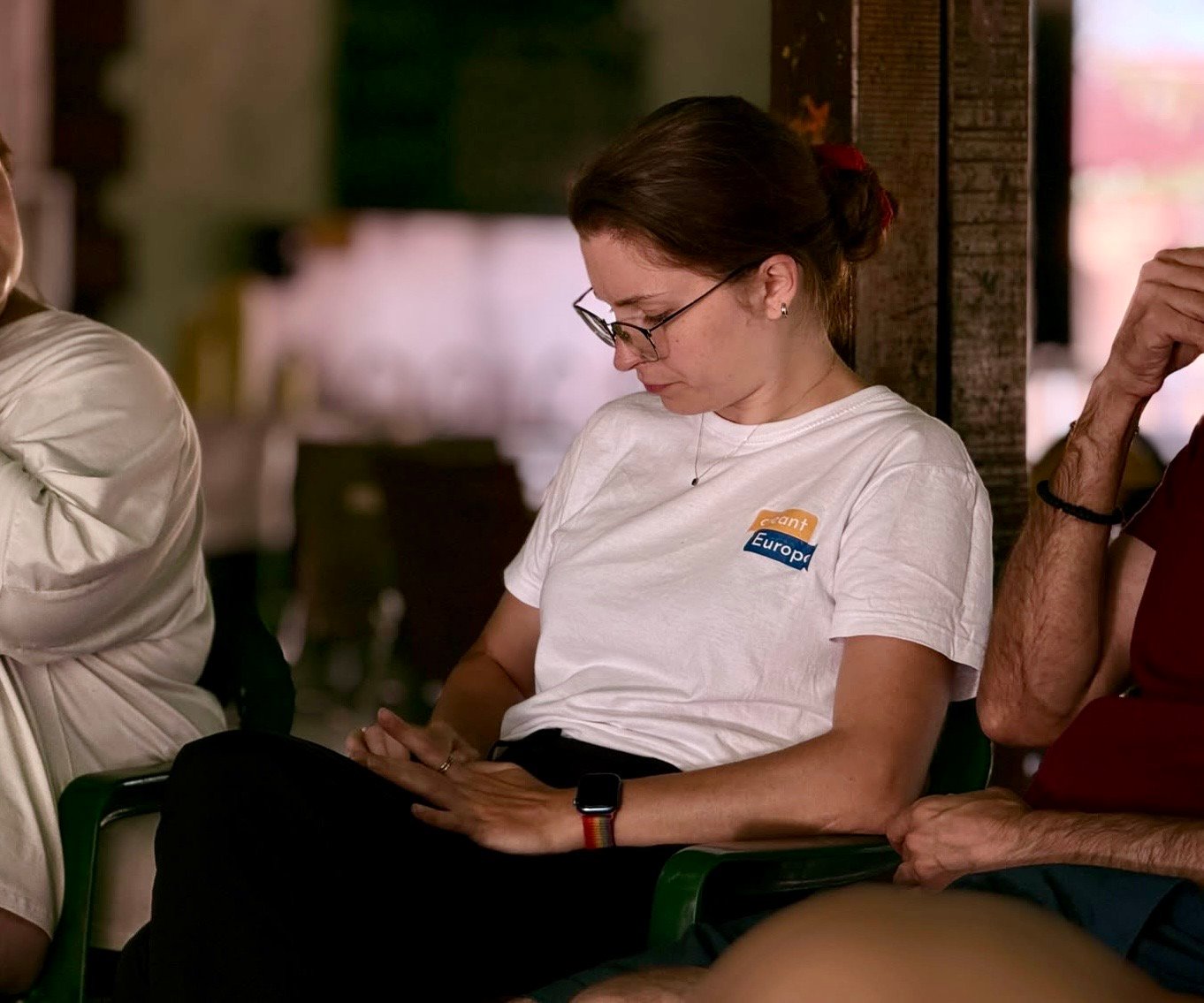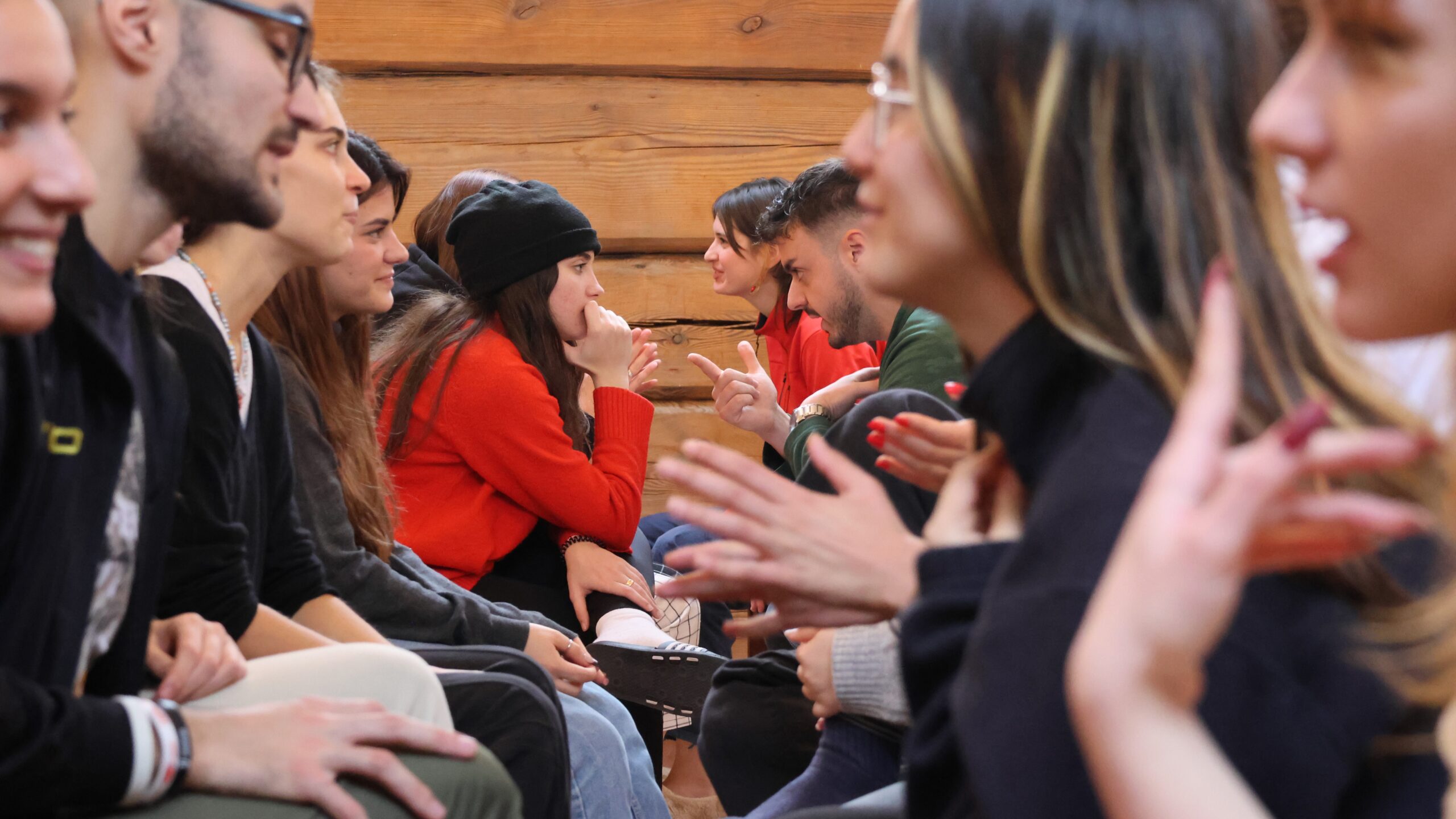
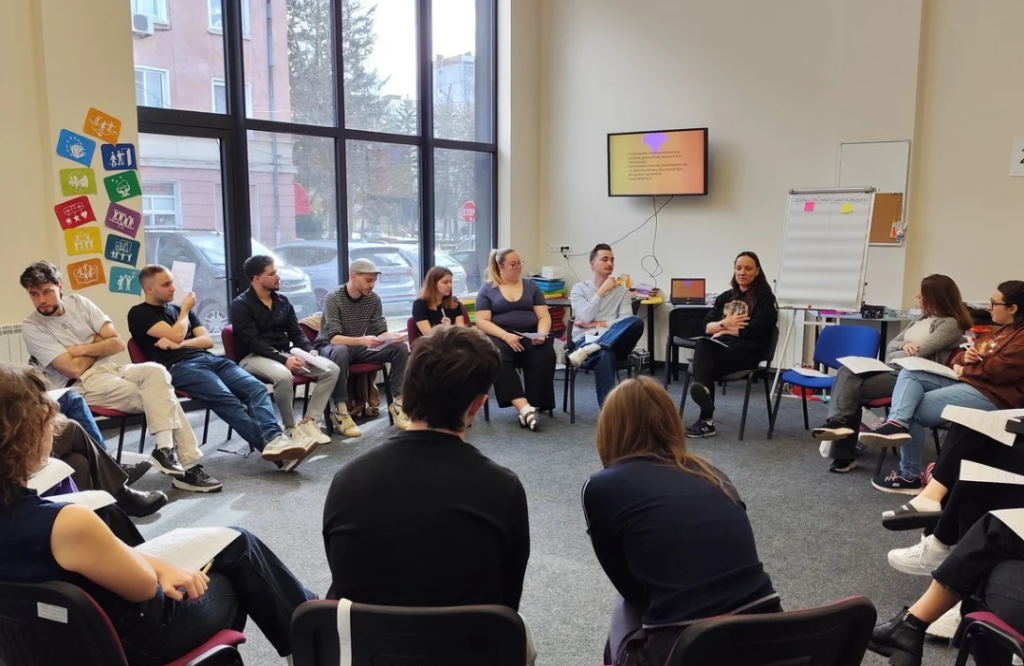
From 16-24 February, 2026, 24 youth workers gathered in Pernik, Bulgaria, for an Erasmus+ training course “Youth Workers’ Lab forMental Well-being”. The overall aim was to empower youth workers with the knowledge, skills, and confidence to support young people’s mental health and resilience through practical, culturally sensitive, and innovative approaches. Participants from Spain share their experiences.
“The recent Youth Workers’ Lab in Pernik, Bulgaria, reminded us of something simple but deeply important: mental health is not only about avoiding crisis, but it is also about building resilience, connection, and the ability to cope with life’s challenges. In youth work, emotional well-being is often the foundation for everything else. When a young person feels overwhelmed, anxious, or emotionally unsafe, learning, participation, and personal growth become much harder.
One of the most meaningful tools explored during the training was “Plutchik’s Wheel of Emotions”. In many situations, young people experience strong emotions but struggle to explain what they are feeling. Everything becomes “stress,” “anger,” or “sadness,” even when the situation is far more deeper and complex. The “Wheel of Emotions” is a great tool to break those feelings down into something more understandable and manageable. It encourages young people to recognize the difference between emotions like disappointment, grief, frustration, or fear, and to understand how emotions can grow in intensity if ignored. It also shows how emotions blend together, for example, how trust and joy can become love, or how sadness mixed with surprise can lead to disappointment. Sometimes, simply having the language to describe what we feel can already make those feelings less overwhelming.
The training course also focused on something equally important: creating safe spaces where emotions are welcomed instead of judged. Mental health support should not exist as a separate session hidden somewhere in the programme and, instead, it should be part of the atmosphere of every workshop, activity, and conversation. Participants explored approaches from positive psychology, including the PERMA model, which focuses on building well-being through positive emotions, engagement, relationships, meaning, and accomplishment. Rather than concentrating only on fixing problems, the approach encourages youth workers to help young people discover their strengths and sense of purpose. Practical mindfulness and grounding techniques were also introduced, helping participants learn how to calm themselves during stressful moments and reconnect with the present. Small methods like breathing exercises or sensory grounding can make a huge difference during emotionally intense situations.
Working alongside 24 professionals from across Europe showed that, despite different cultural backgrounds, the emotional challenges young people face today are remarkably similar. Anxiety, social pressure, uncertainty, loneliness, and digital burnout are realities affecting youth everywhere. This is why mental health literacy has become such an essential part of youth work practice. The role of the youth worker today goes far beyond facilitating activities. Youth workers are increasingly becoming creators of supportive environments where young people can feel safe to grow, reflect, and thrive. Learning tools connected to emotional awareness, resilience, and positive psychology, allows youth workers to better help young people navigate an increasingly complex world with more confidence, empathy, and emotional stability.”
Writtent by participants of Erasmus+ training course “Youth Workers’ Lab for Mental Wellbeing”. Funded by the European Union. The opinions and views expressed are, however, the sole responsibility of the author(s) and do not necessarily reflect those of the European Union or the European Education and Culture Executive Agency (EACEA). Neither the European Union nor EACEA is responsible for them.