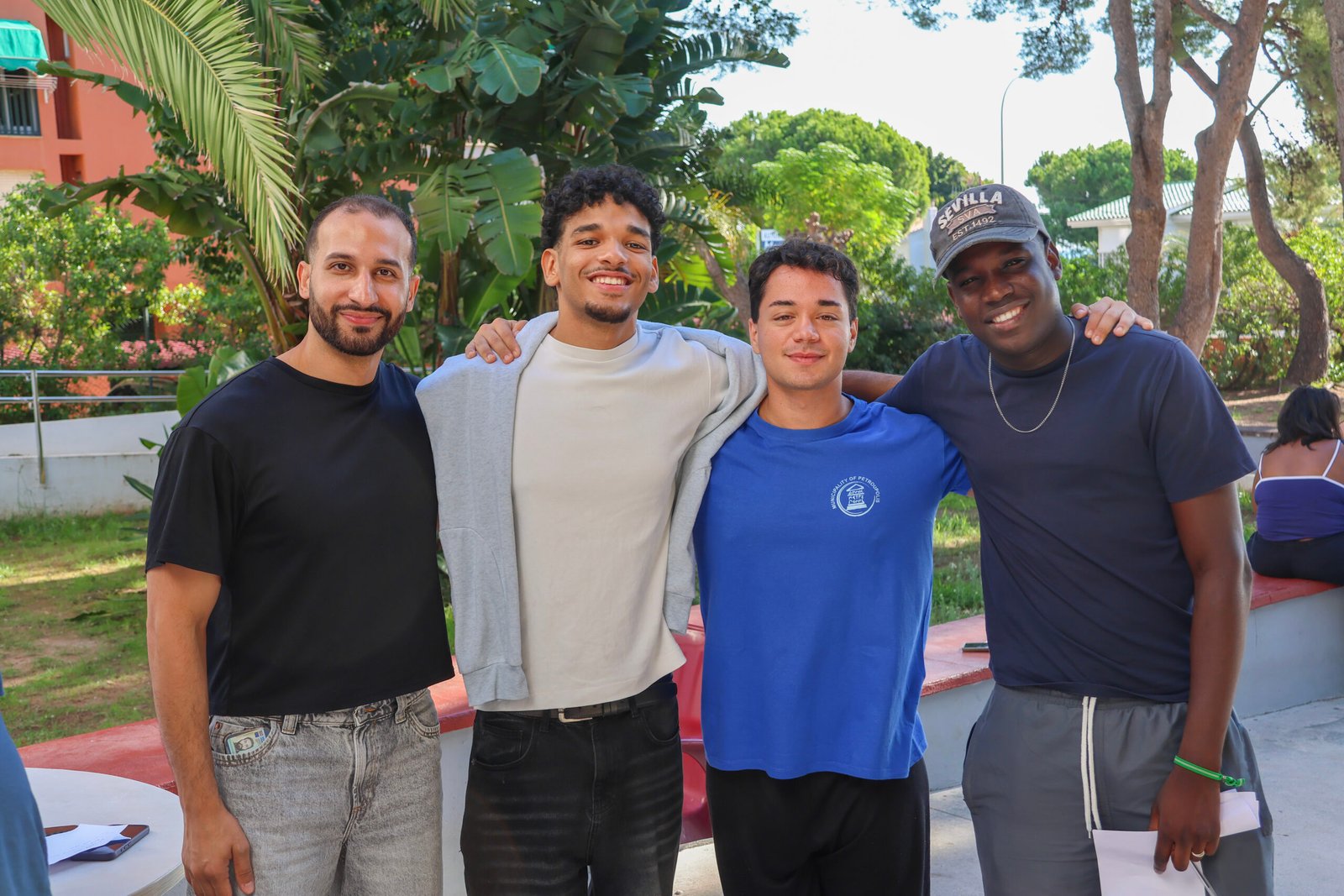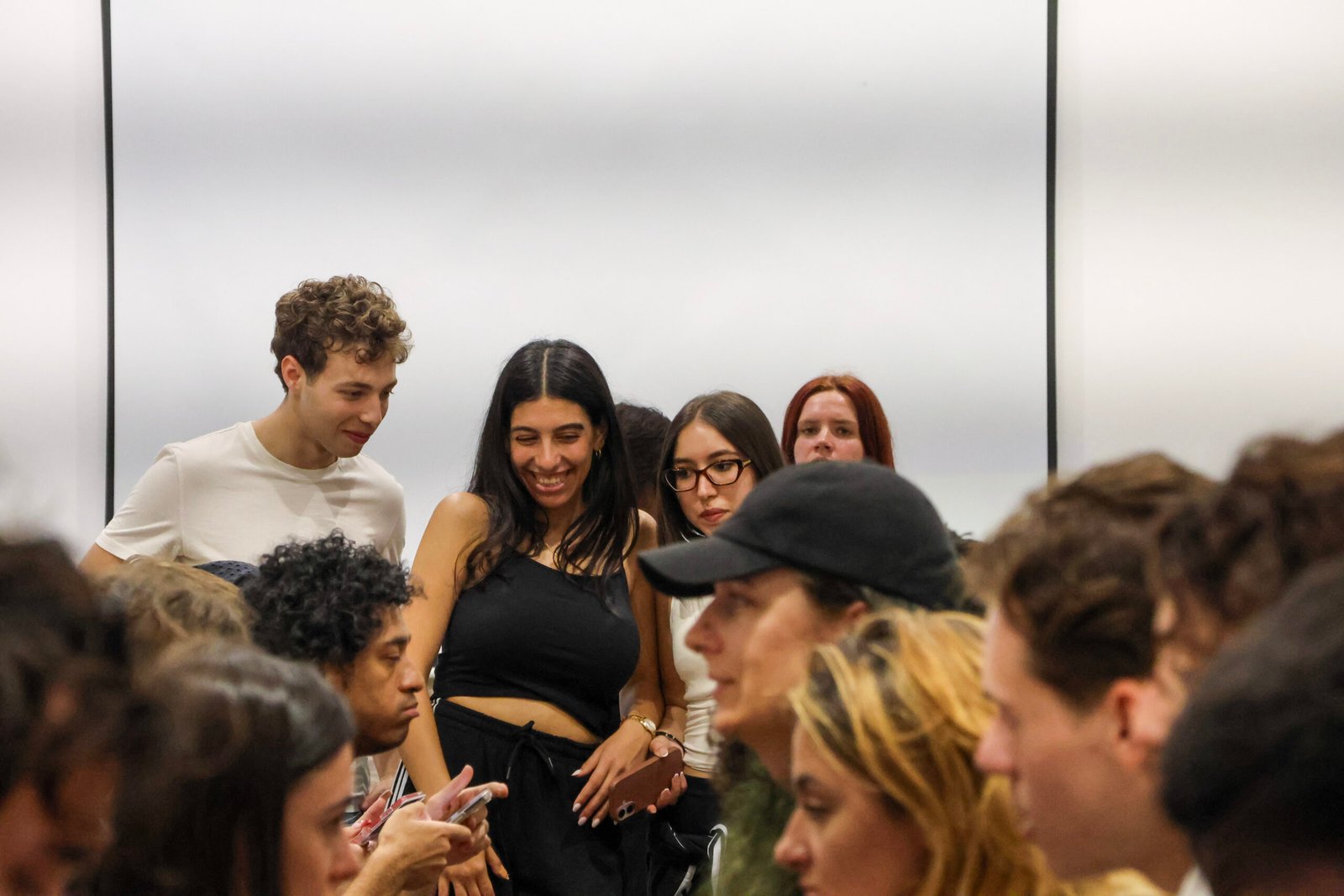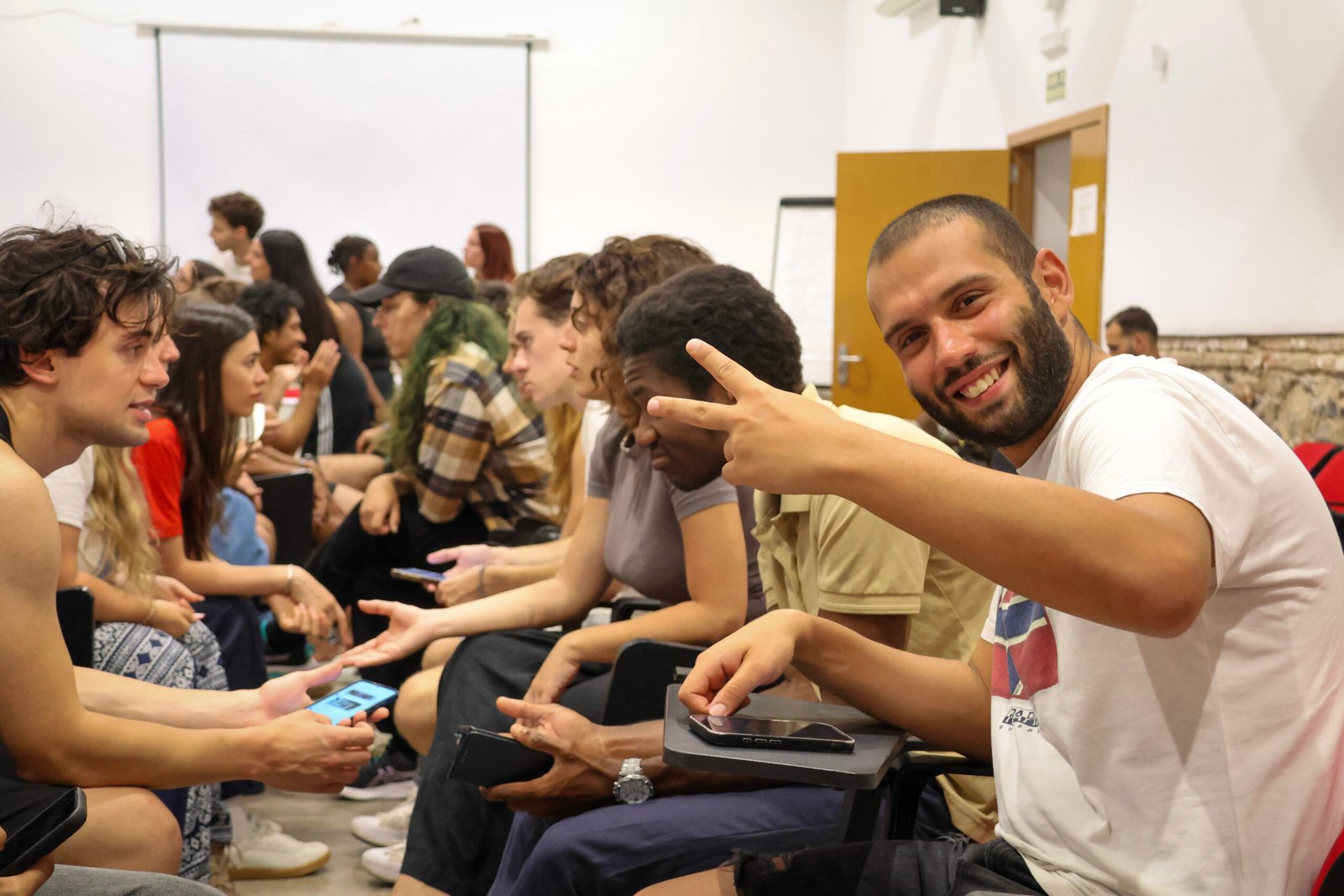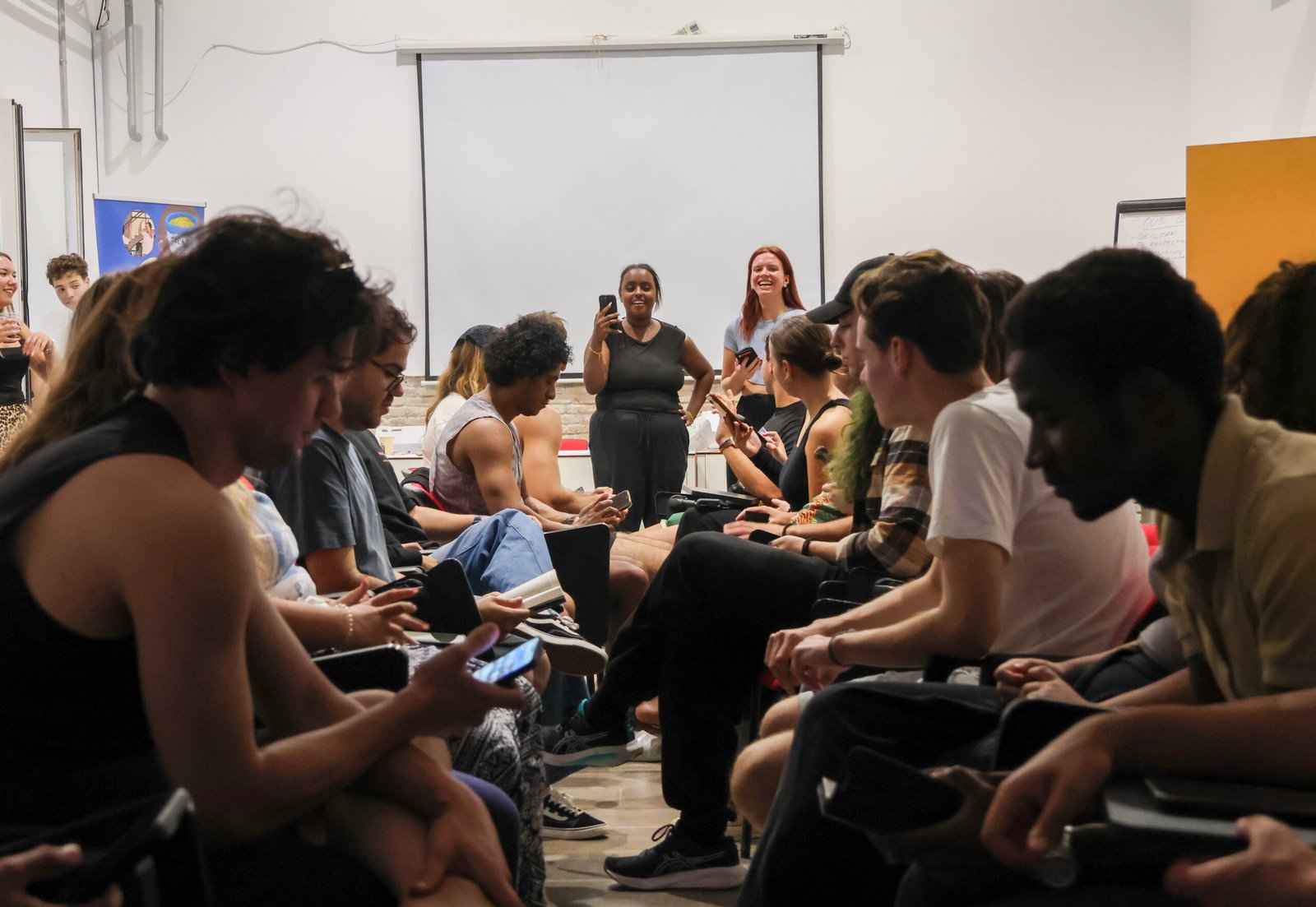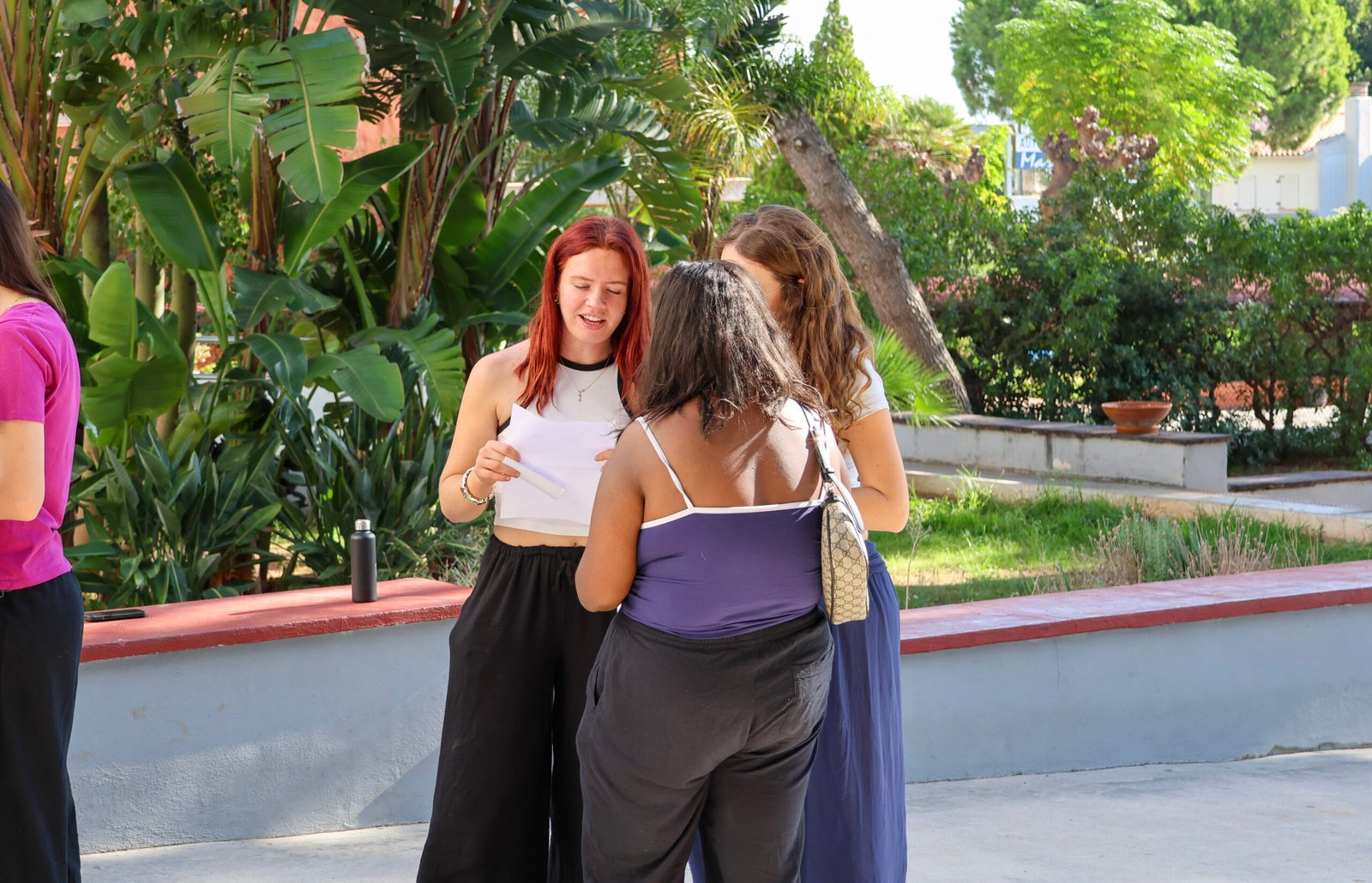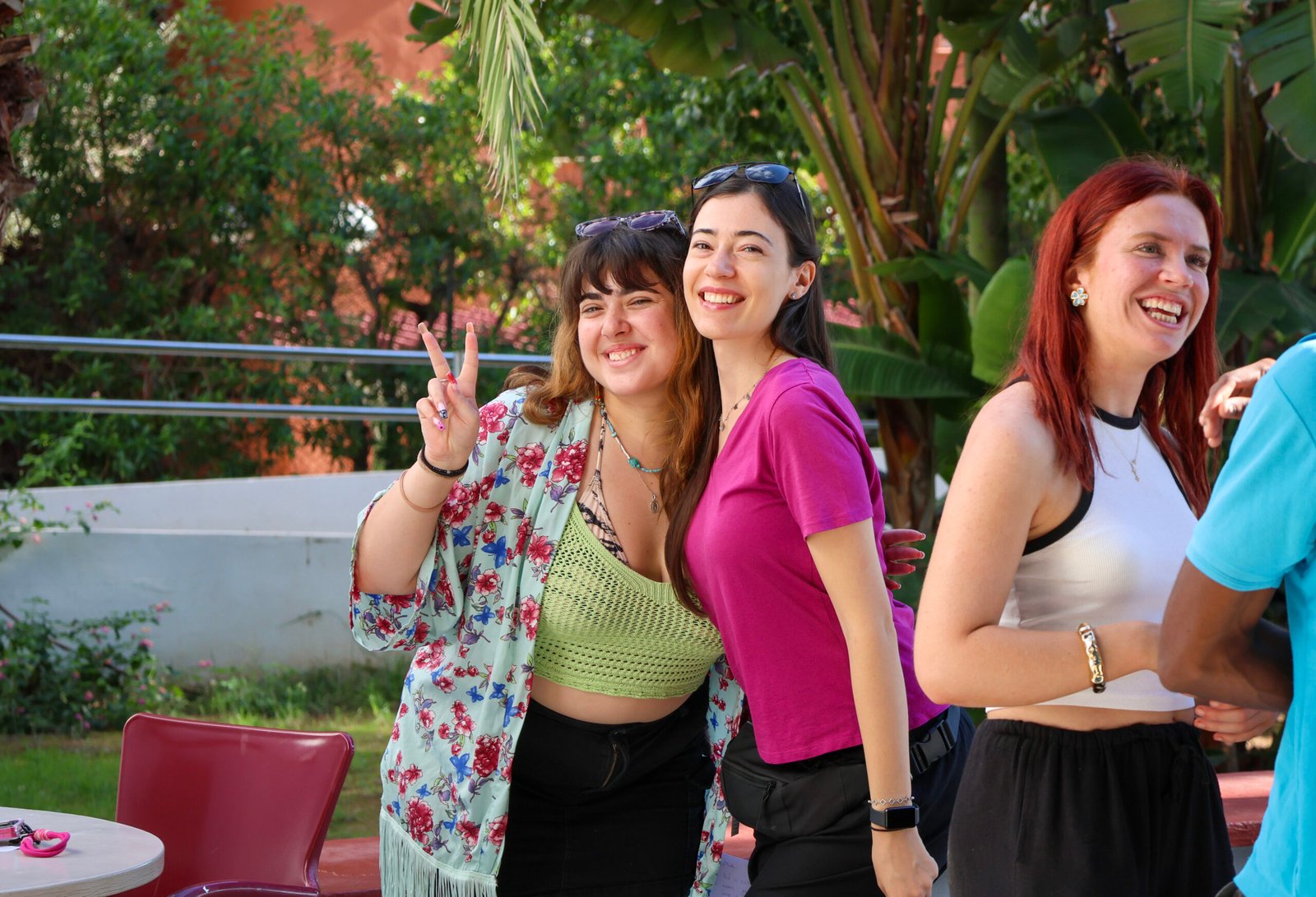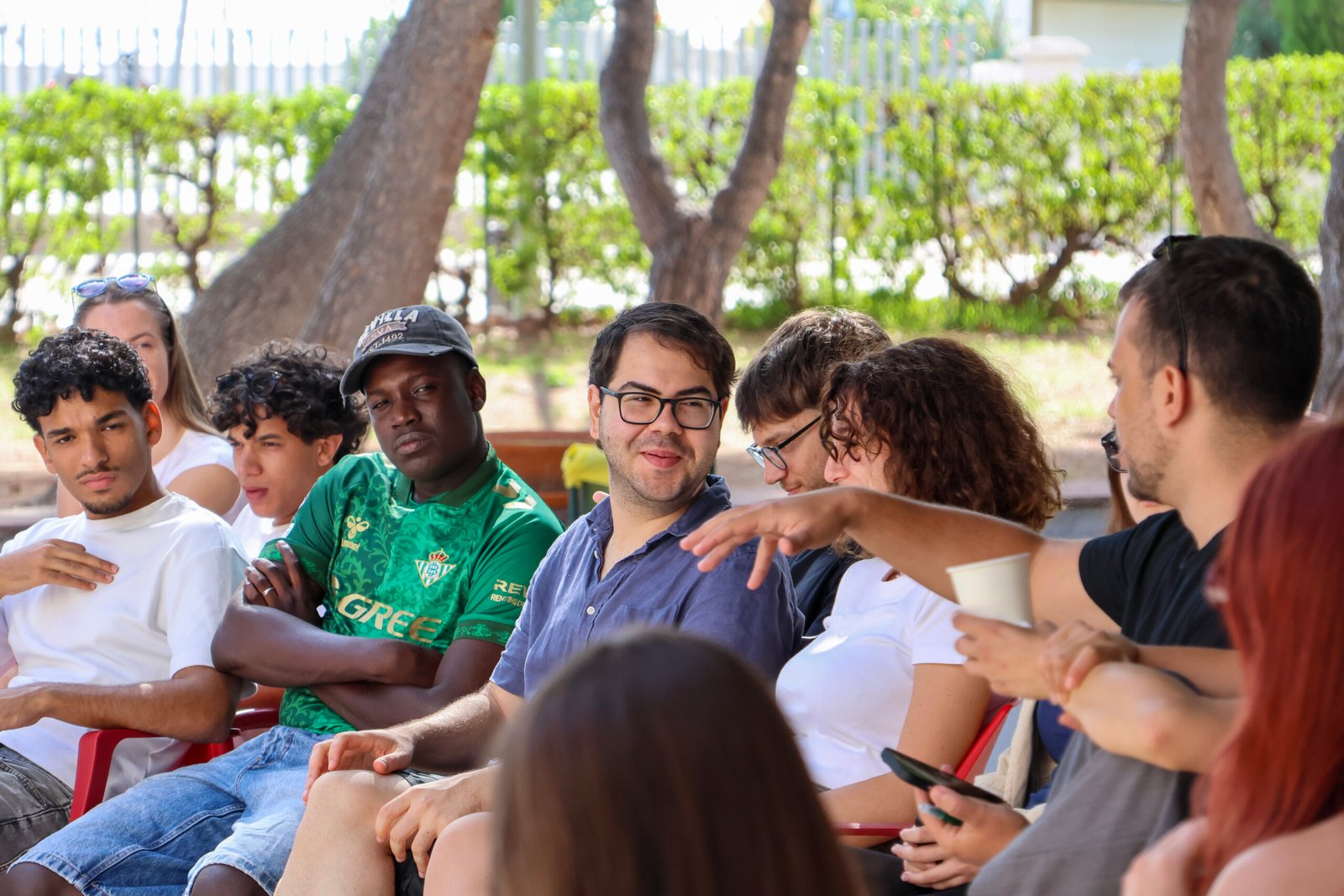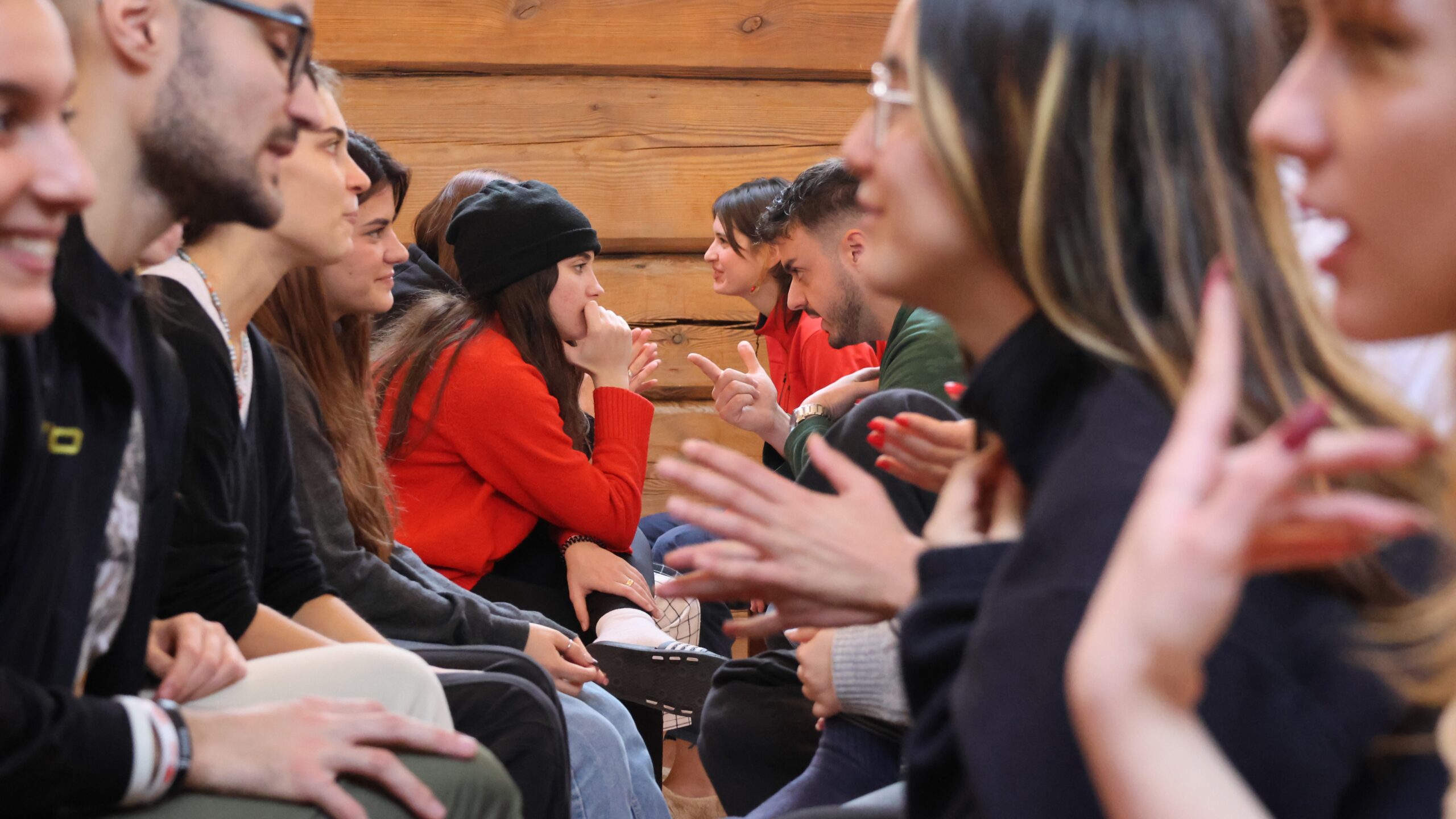
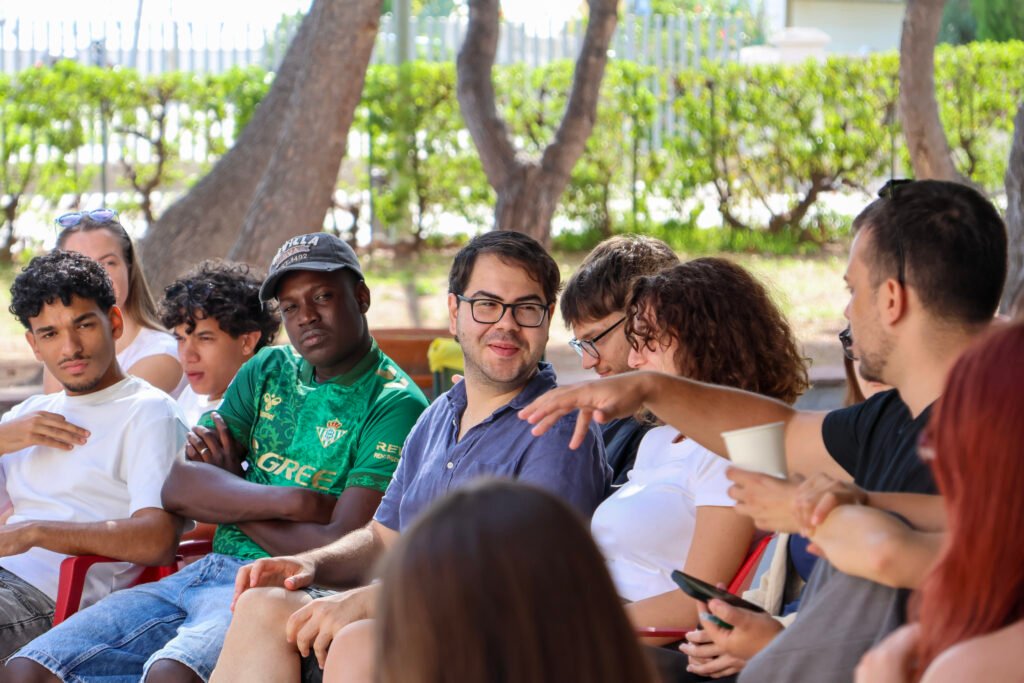
This article was written by participants of Clicktivism Unleashed, the Erasmus+ youth exchange held in Benicàssim in October 2026. It’s their own take on the week, shared here in their words.
“Ever liked a post about something important and then felt like you did your part? Yeah, same. But does a like actually change anything? That question was the whole idea behind Clicktivism Unleashed, a youth exchange that took place in Benicàssim from 12 to 20 October 2026.
Wait, what’s a youth exchange?
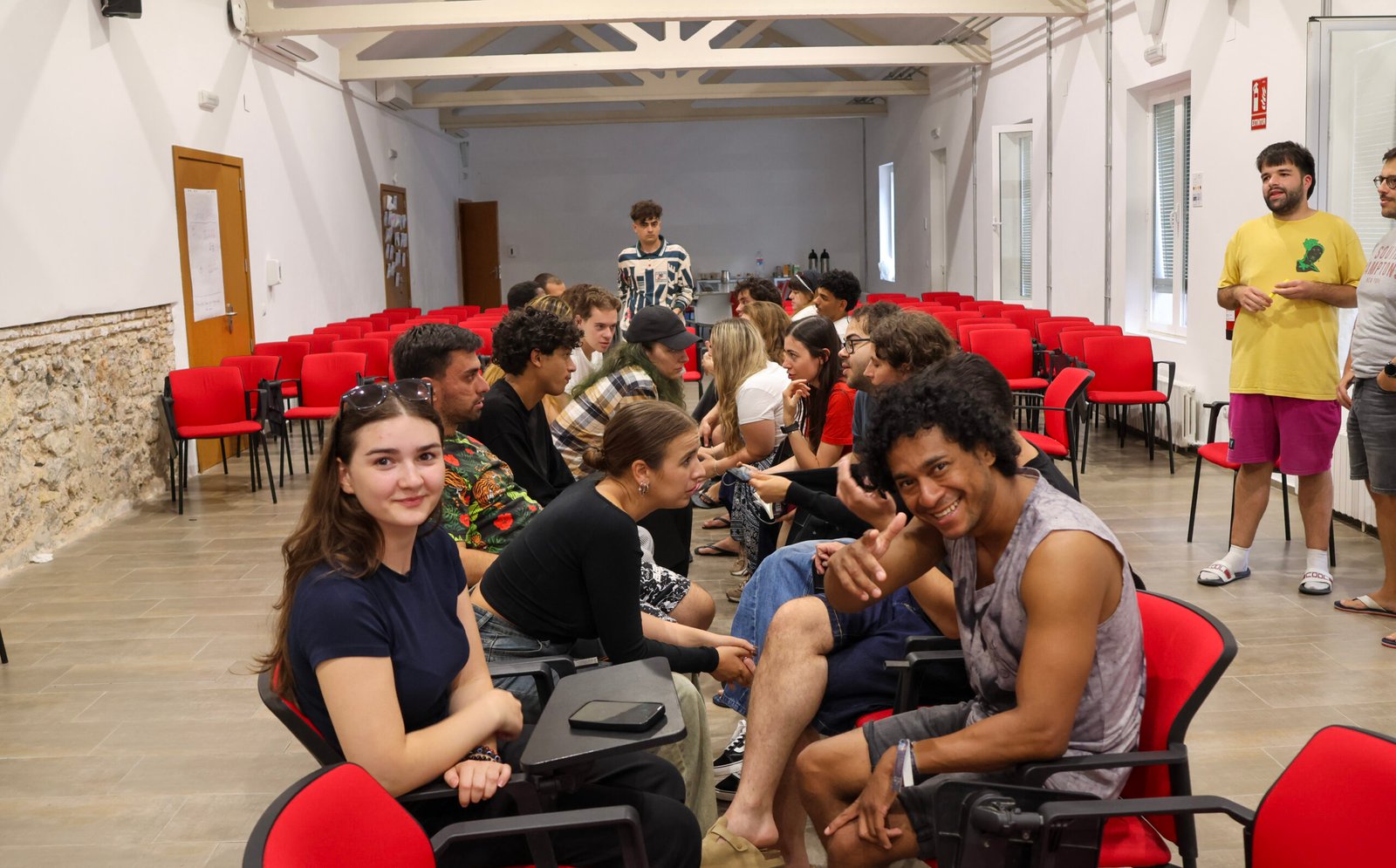
It’s basically a week where young people from different countries get together, stay in the same place, and work on a topic that matters. You learn by doing things, not by sitting through lectures. It’s funded by the European Union, so it costs participants nothing or very little, and your travel gets reimbursed afterwards. You come home with new skills, new friends and probably a few new inside jokes.
Who ran it?
Creant Europa, an organisation from Valencia that has been around since 2017. They work on democracy, equality, human rights and helping young people take part in society. Two of the people leading the week were Carlos and Jurgita.
Where did everyone stay?
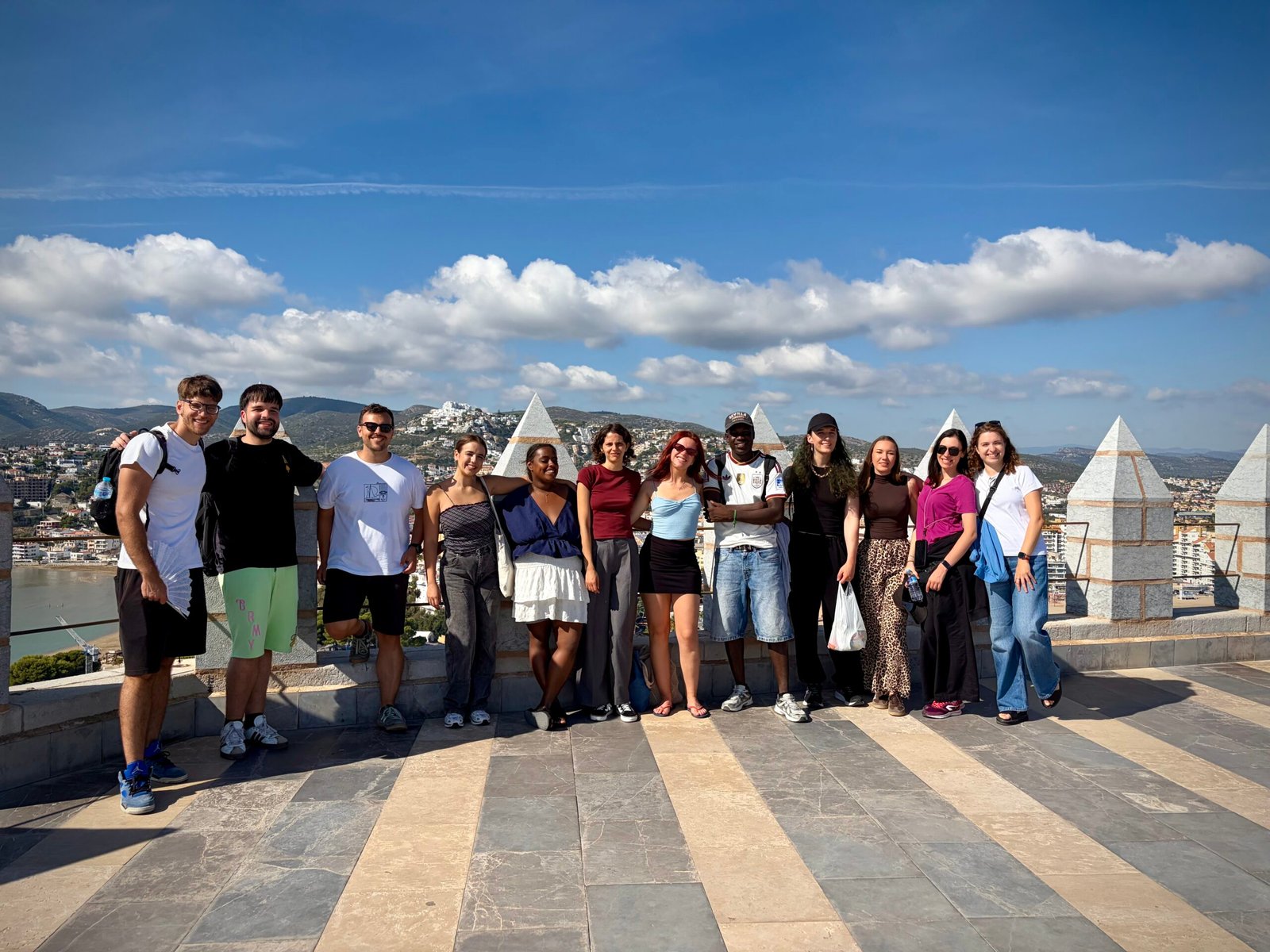
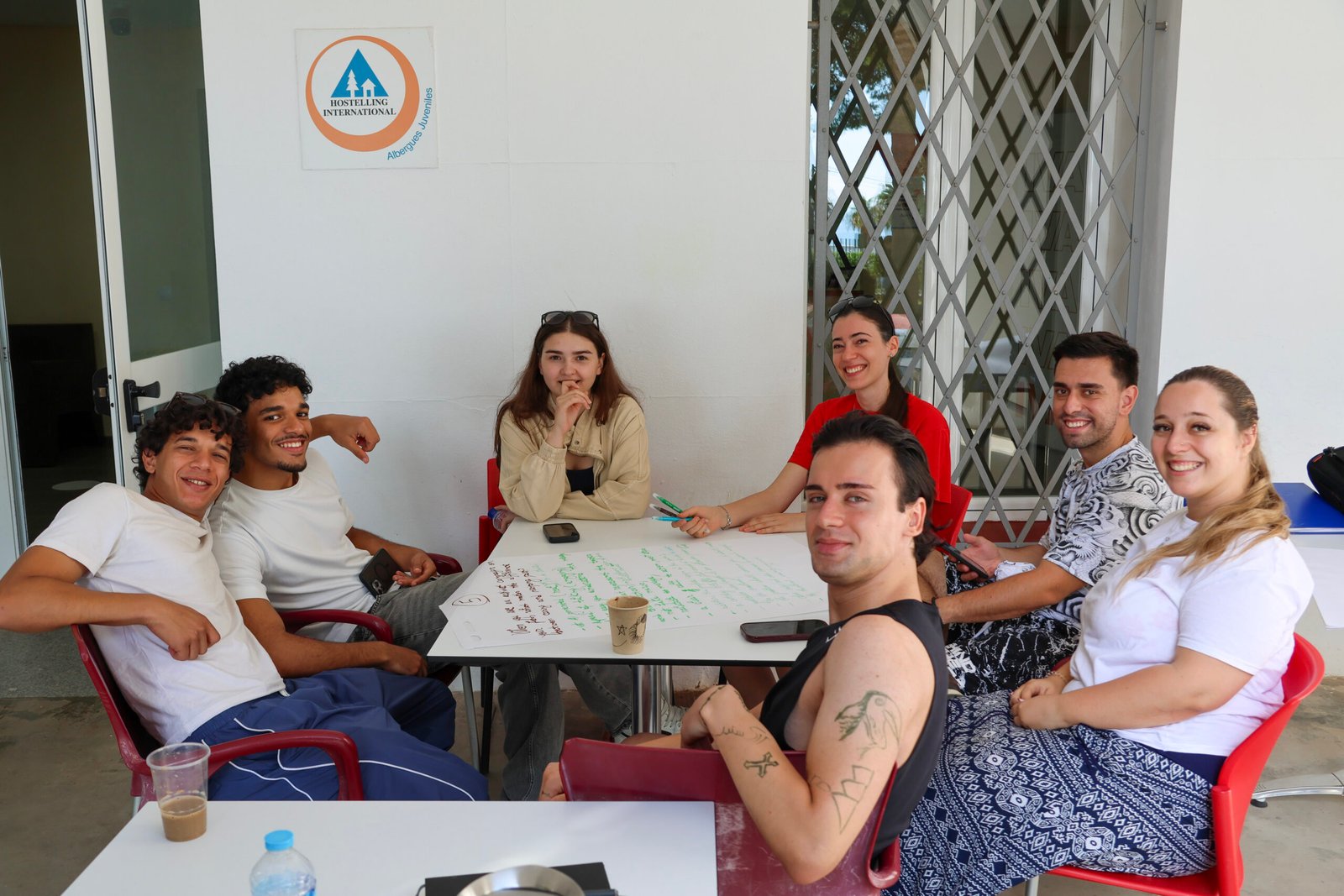
At Hostel Argentina, which sits right in front of the beach. Mornings started with breakfast, then there were four sessions a day with coffee breaks and lunch in between, then dinner and free time in the evening. Friday was a free day with a trip to Peñíscola, a gorgeous old town on the coast. The weather was warm in the daytime and a bit chilly at night.
So what did they actually do?
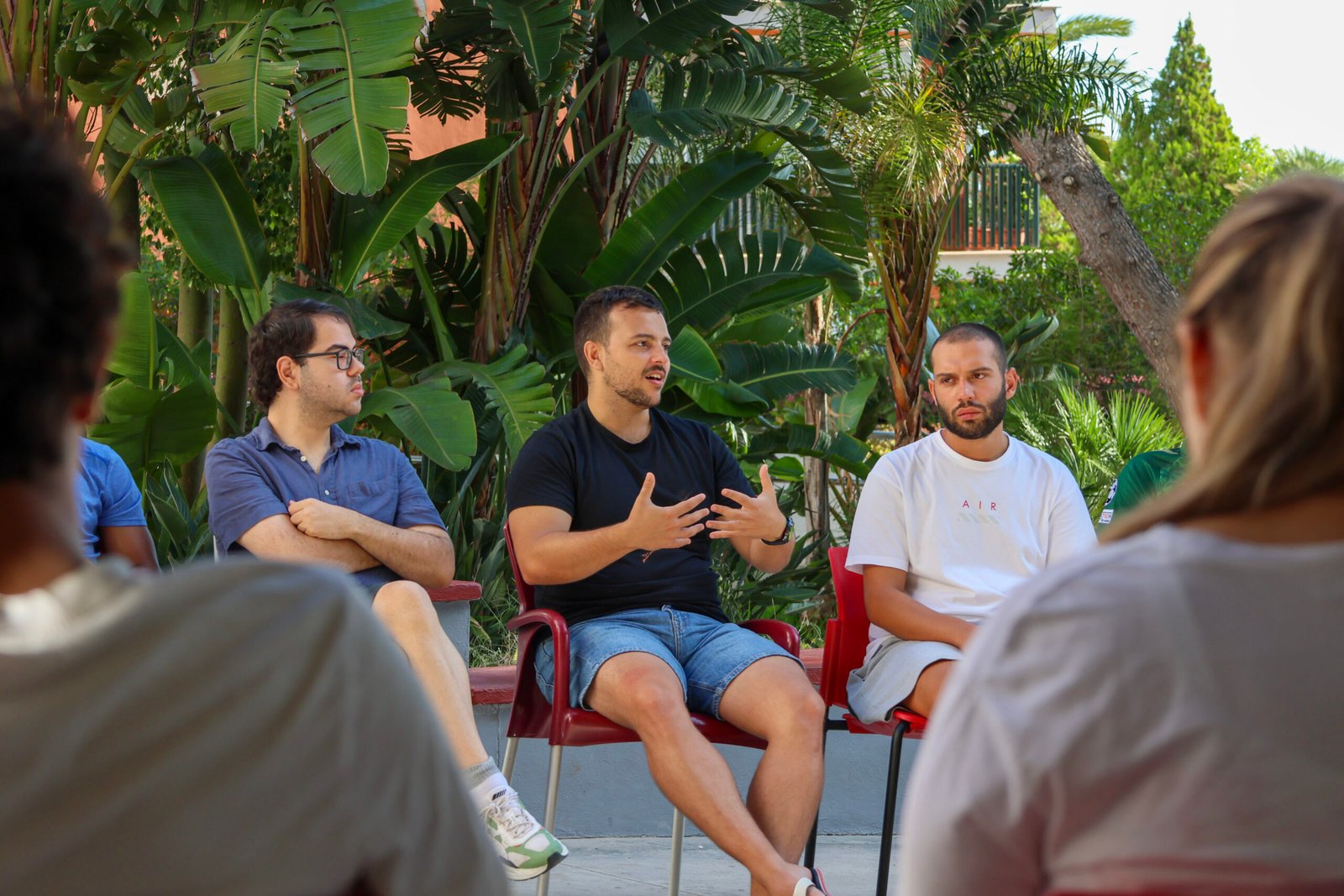
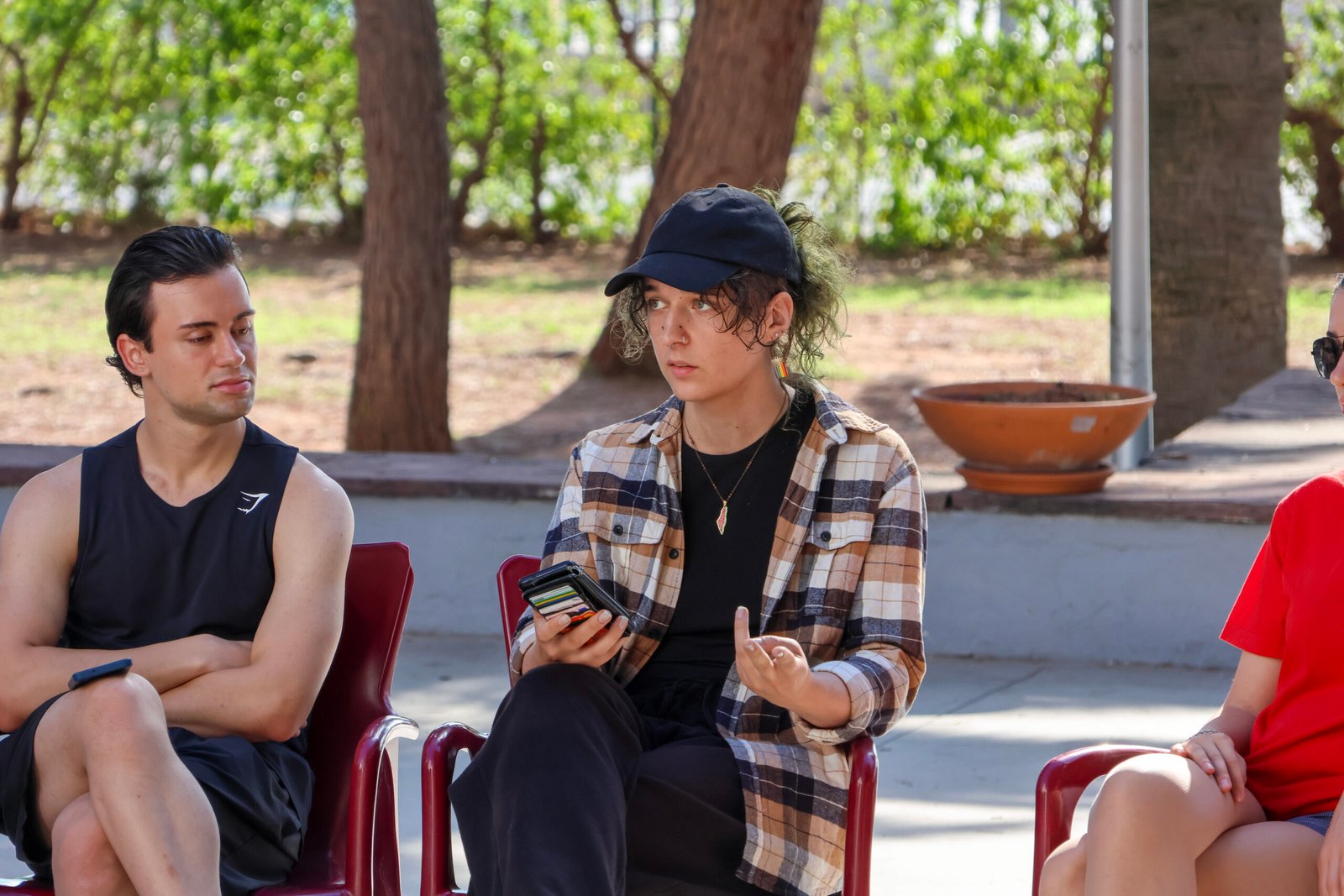
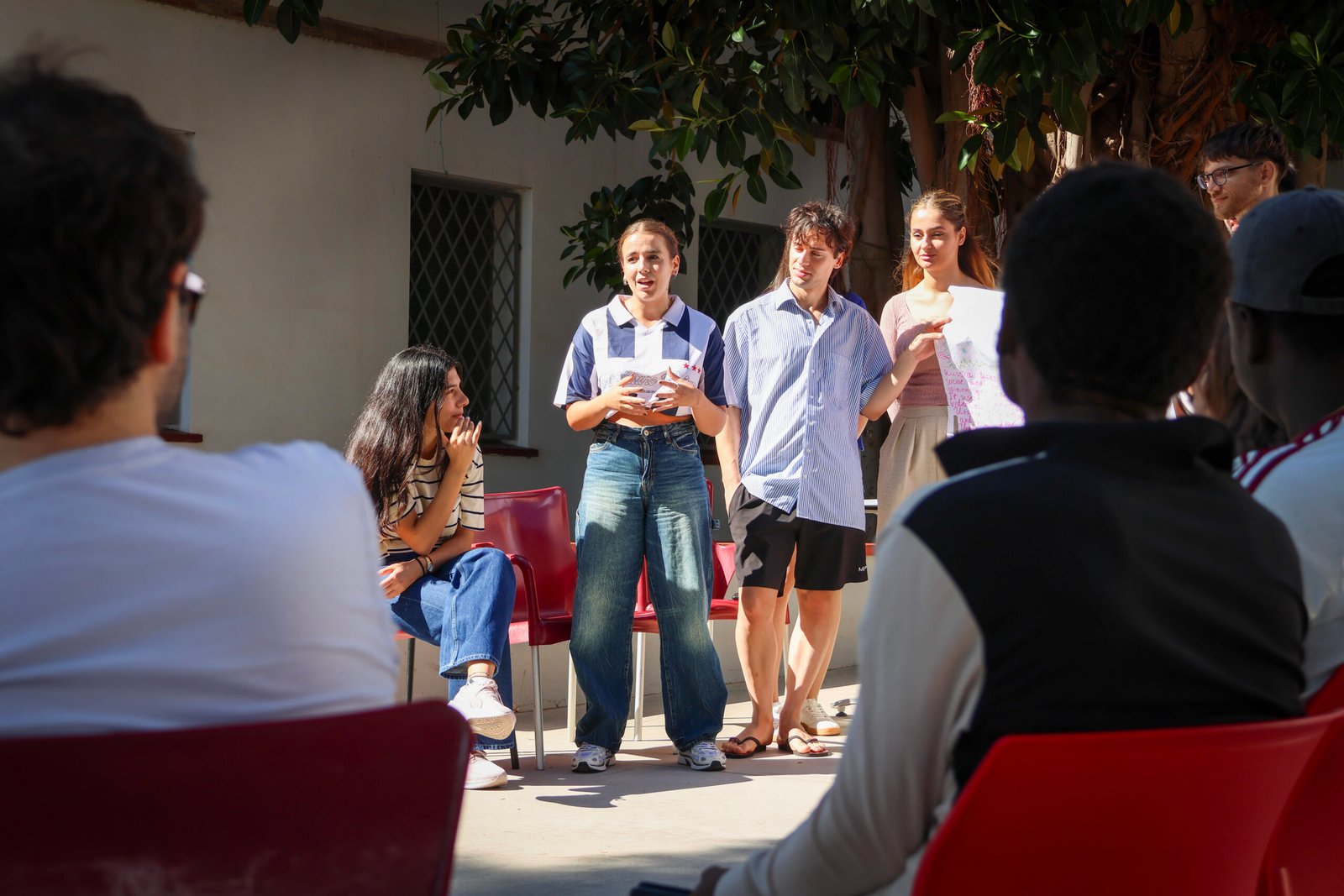
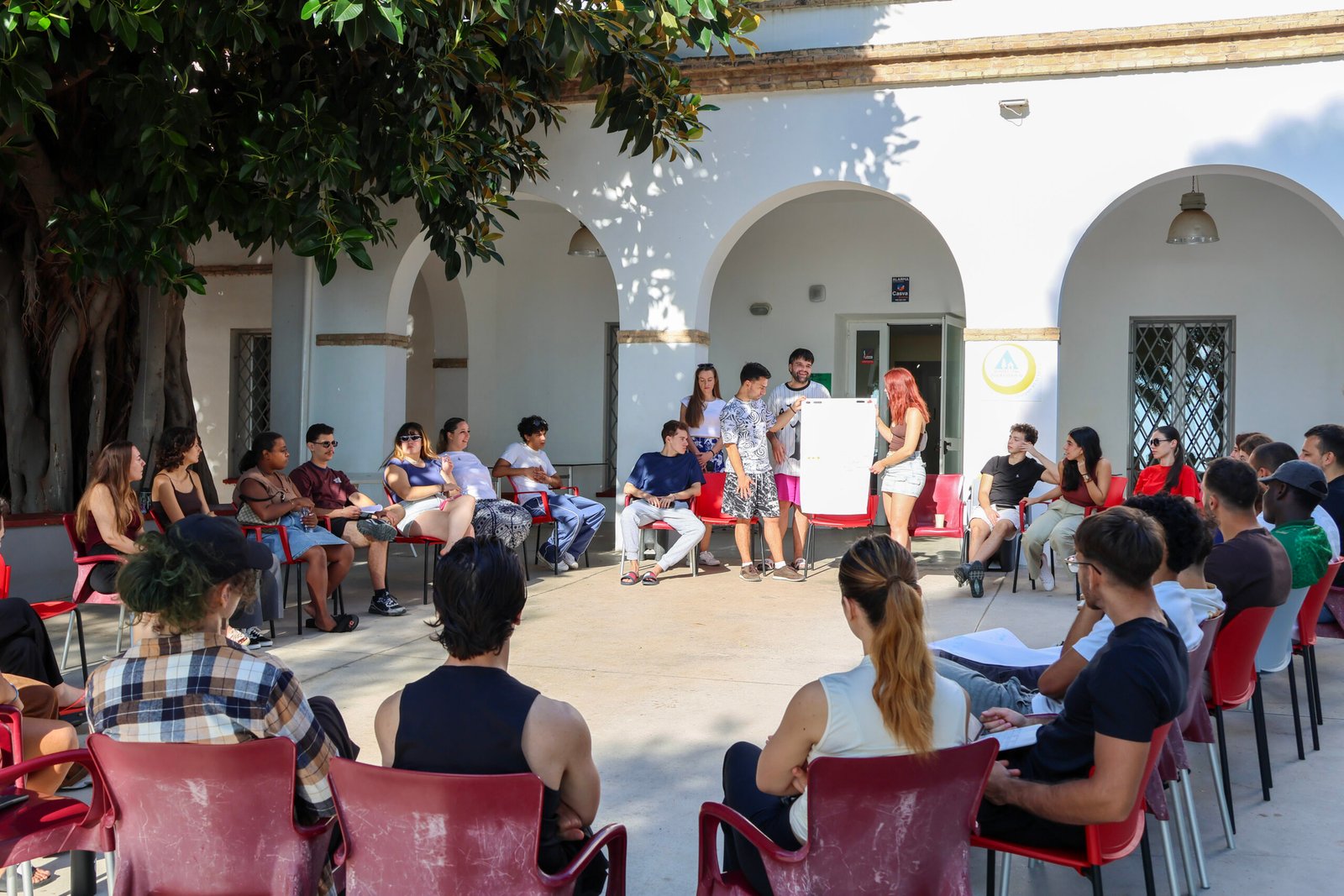
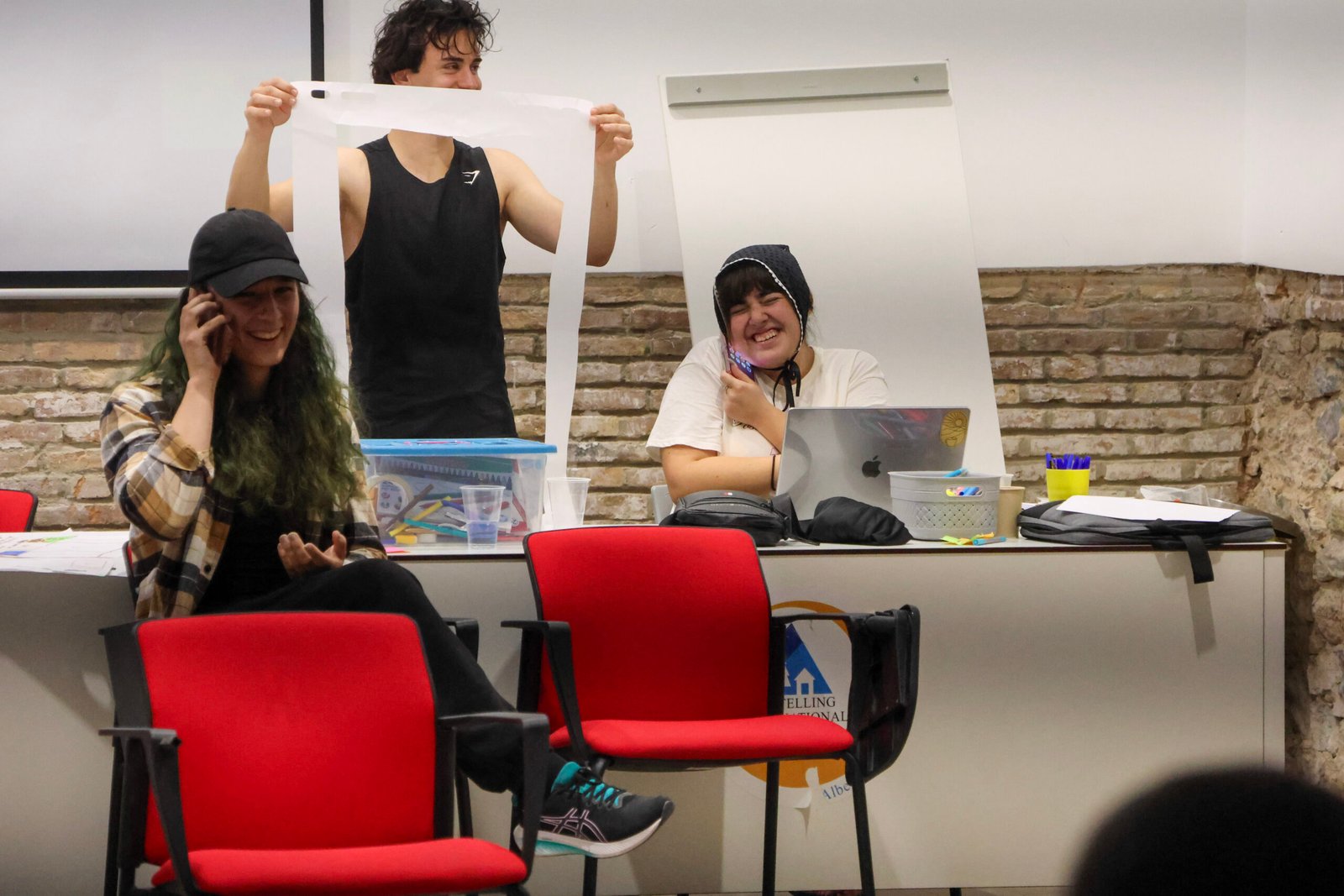
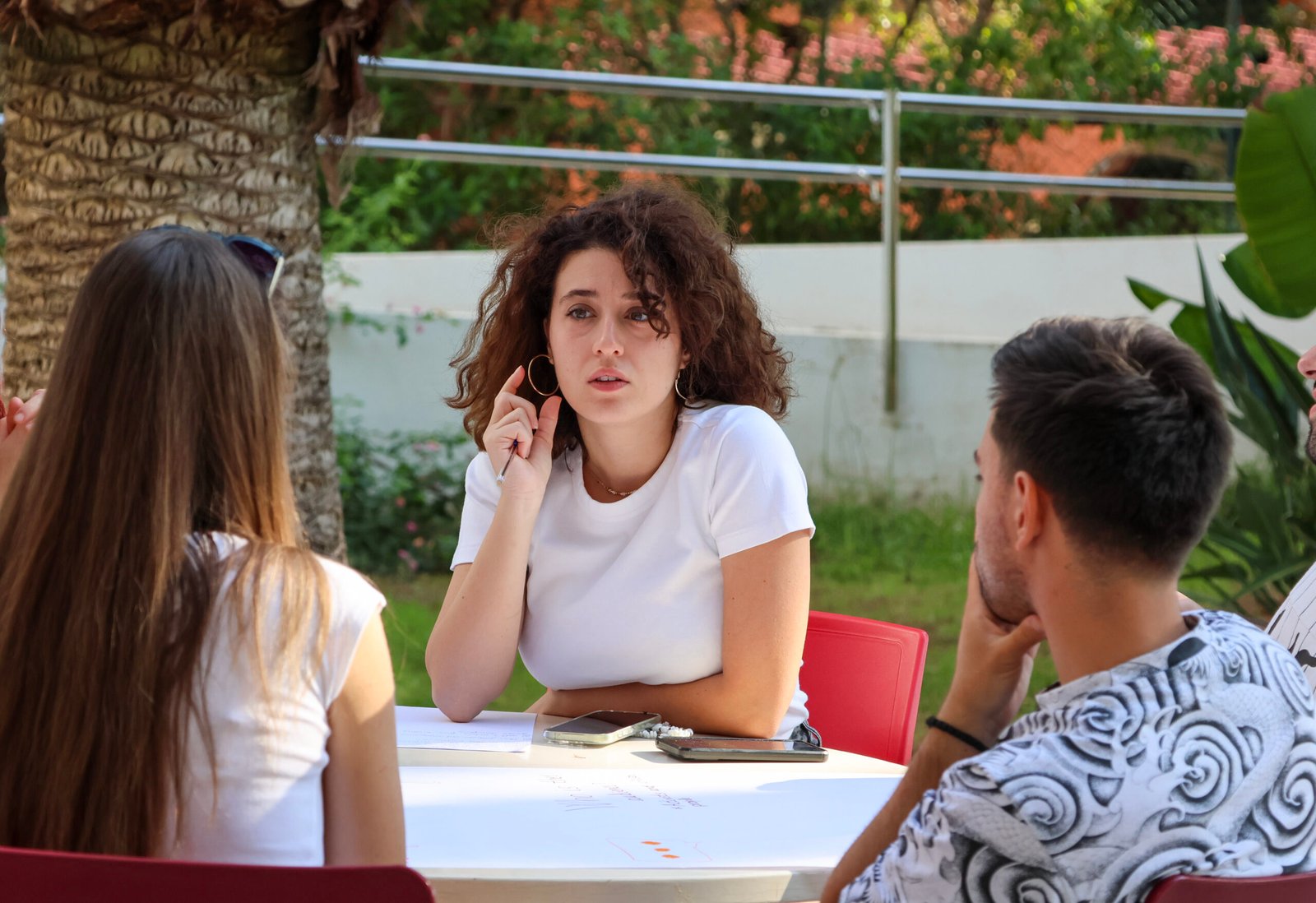
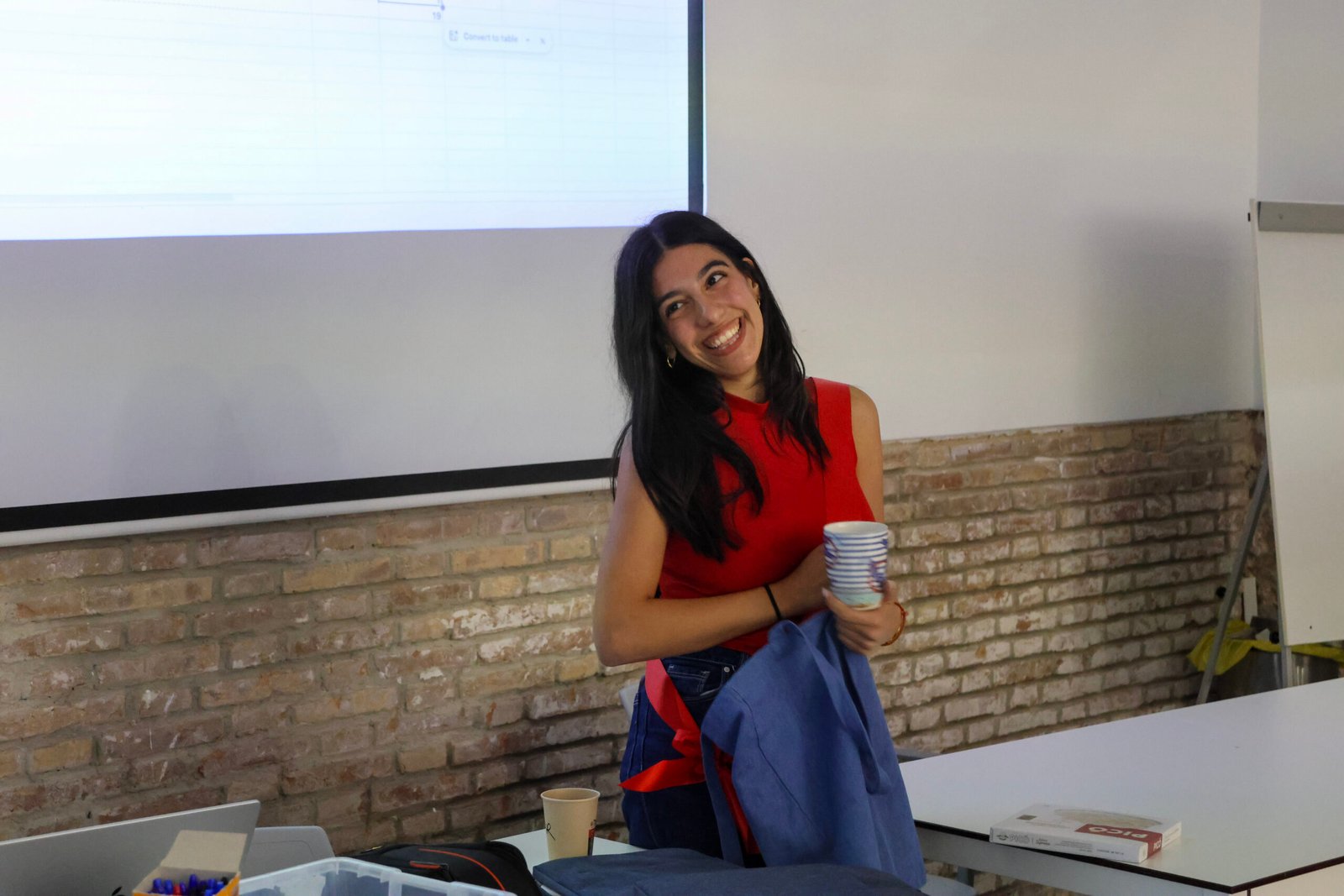
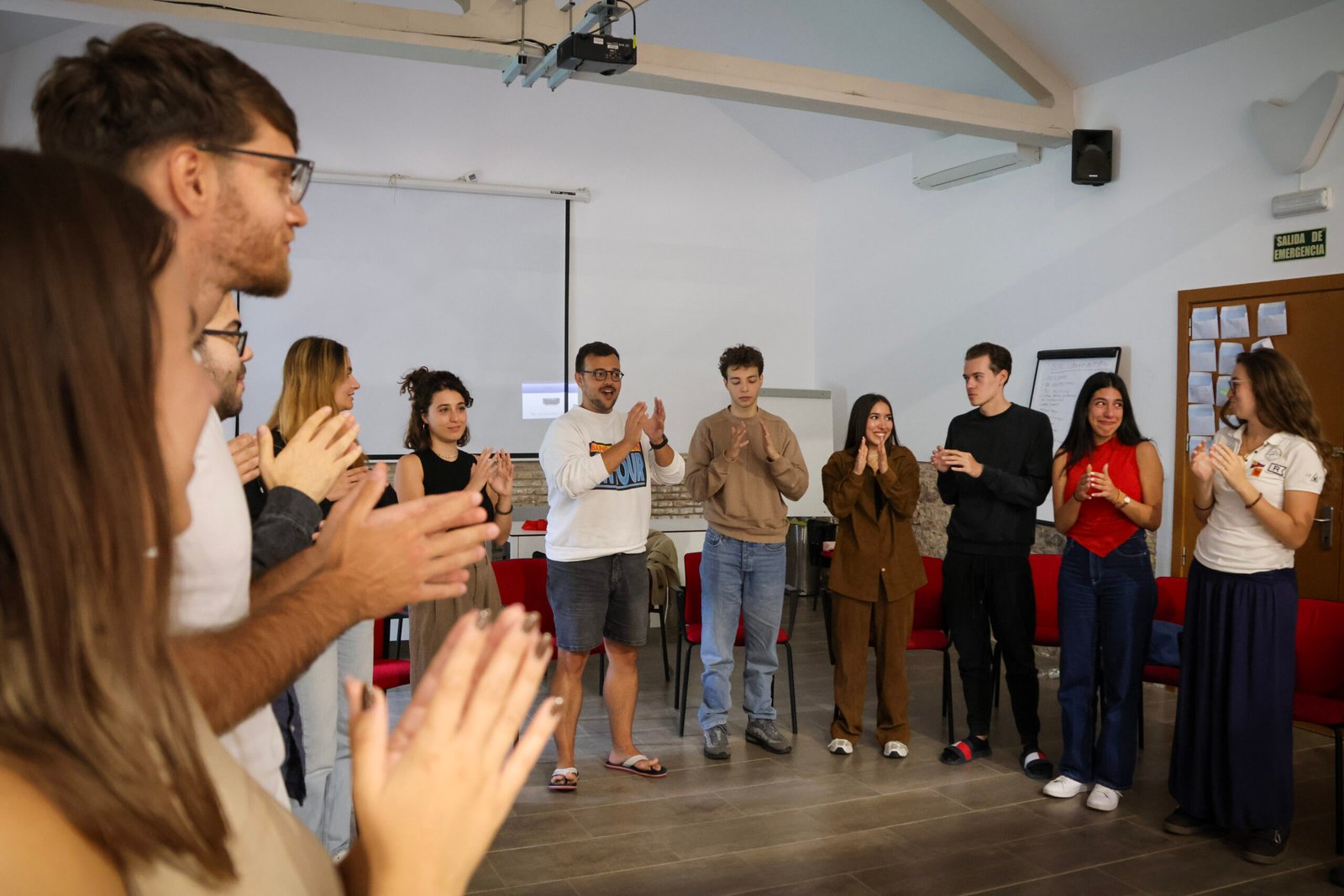
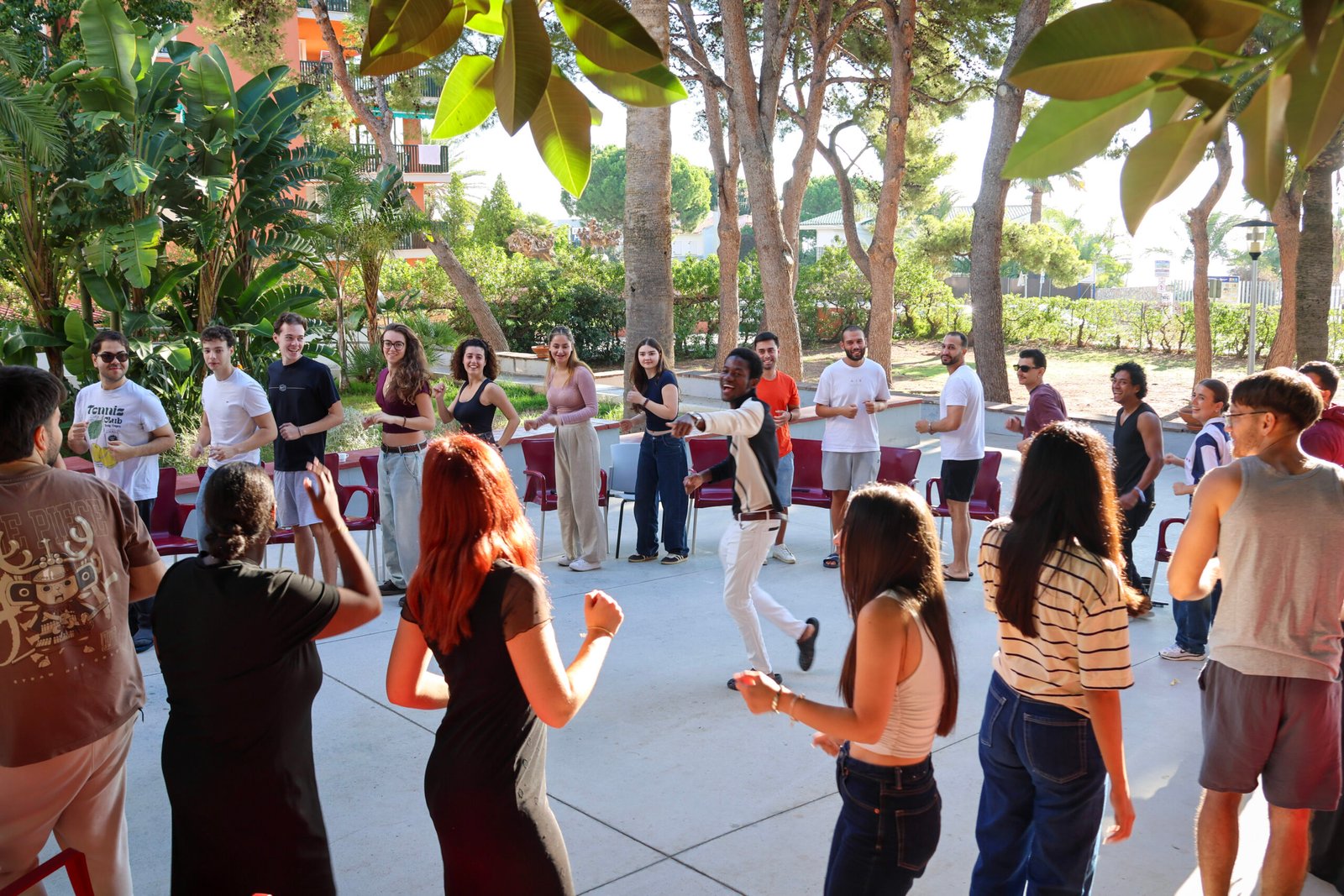
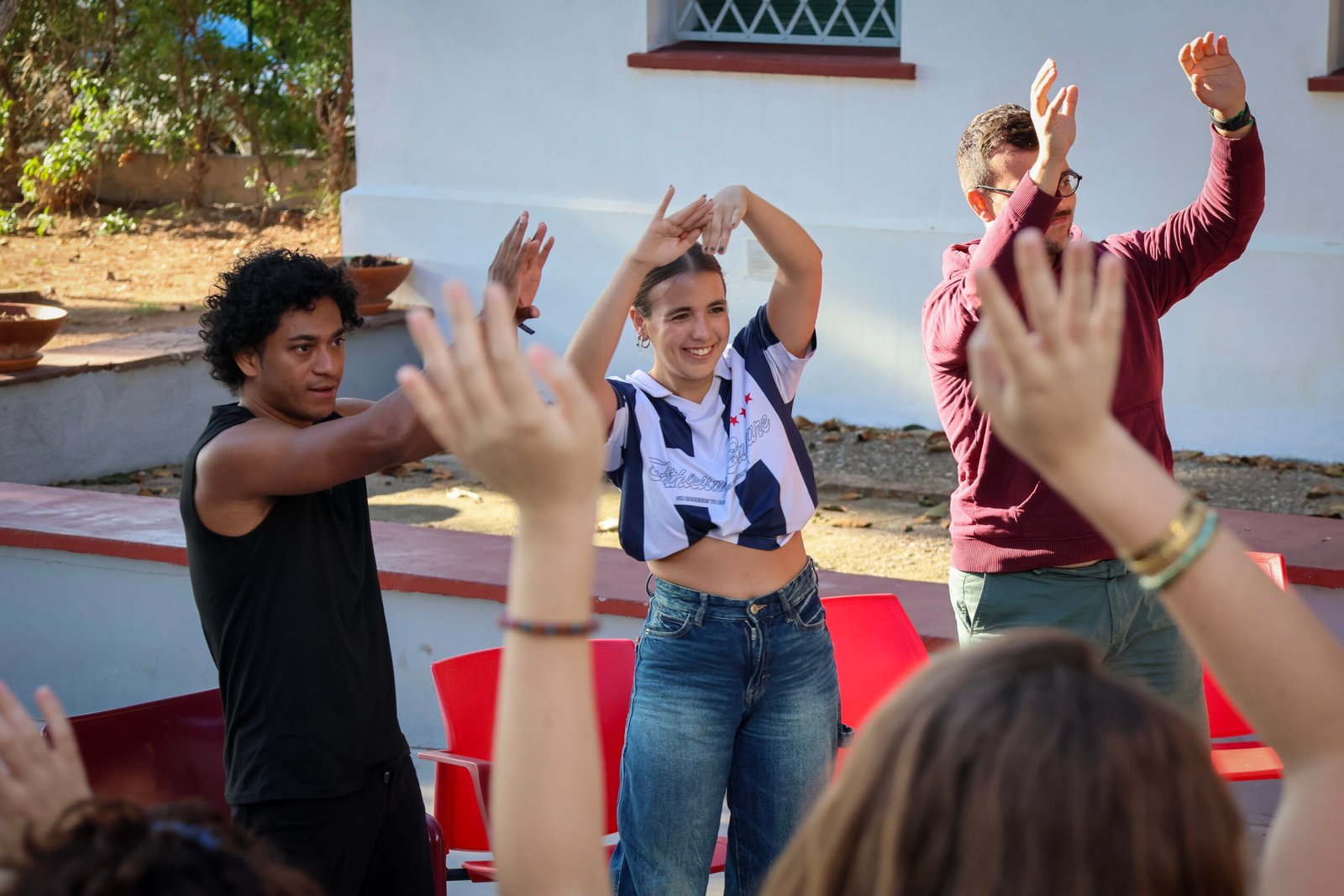
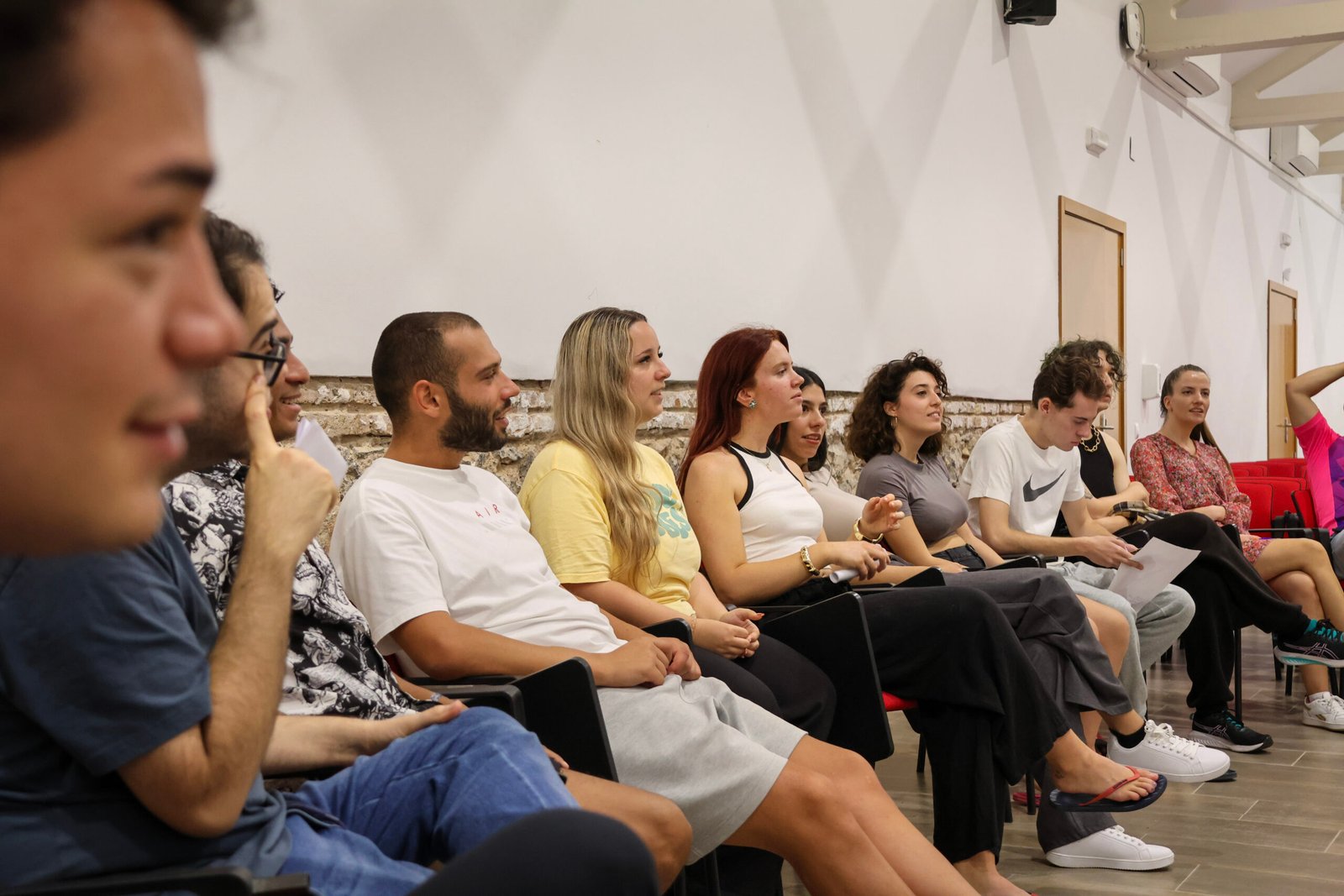
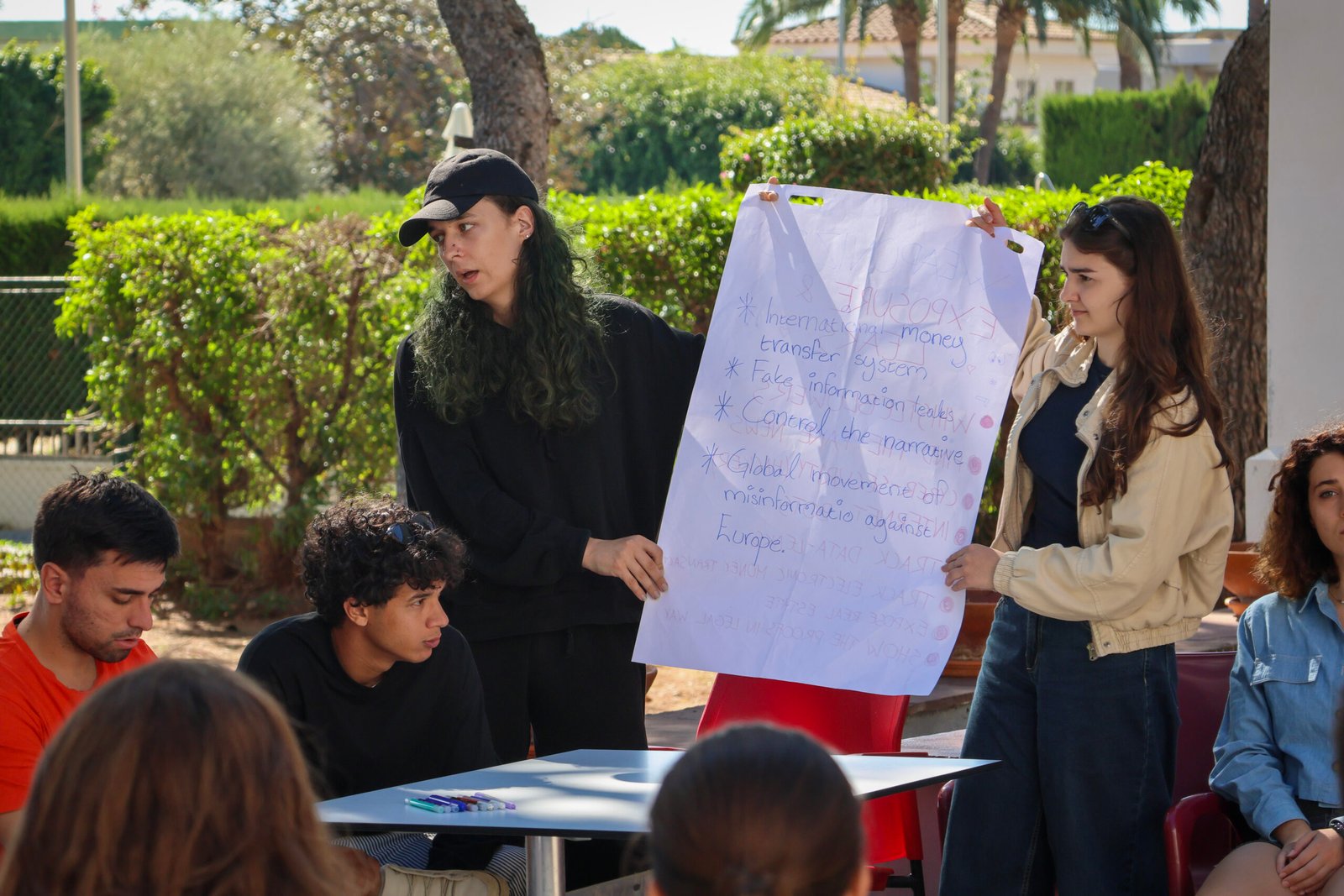
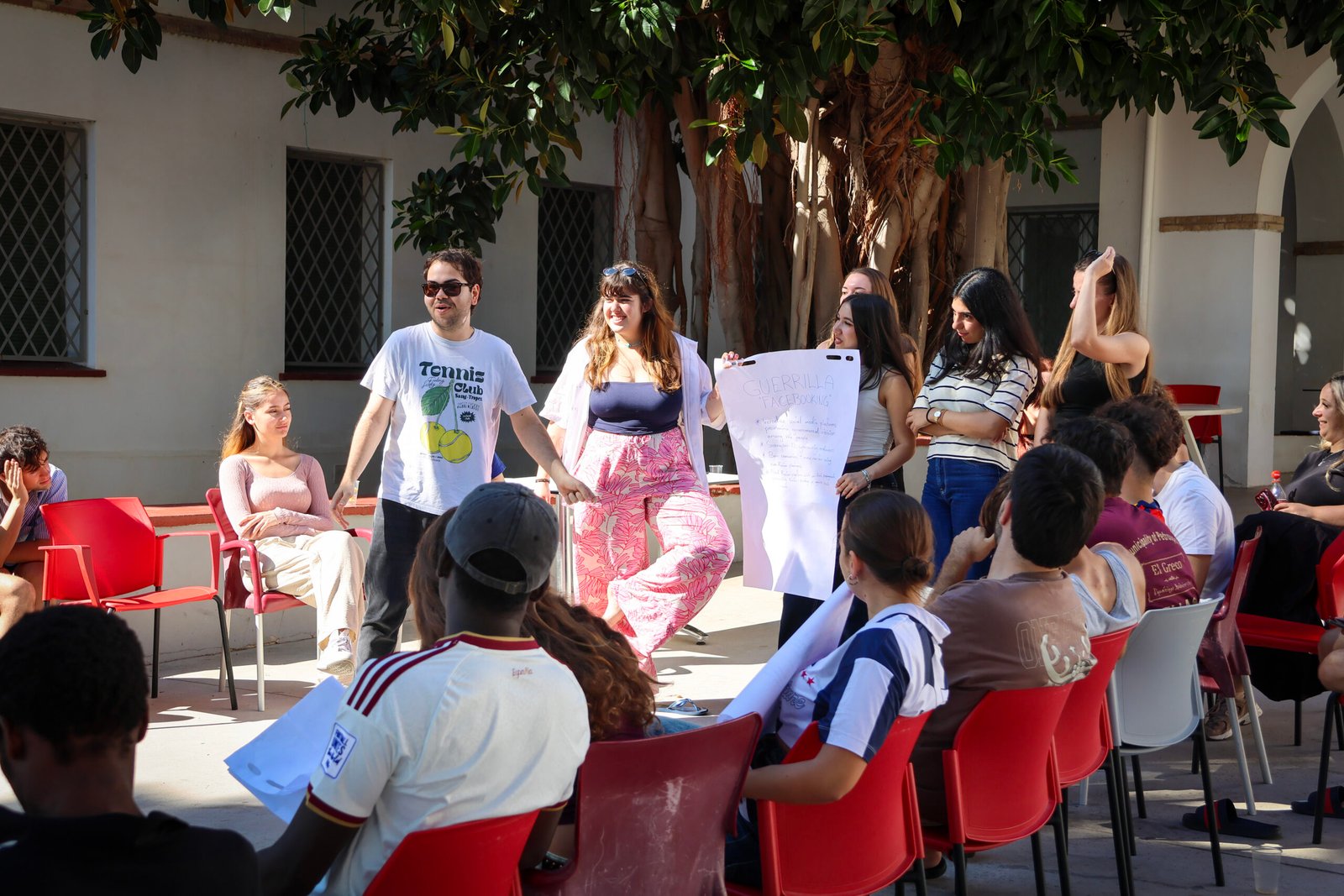
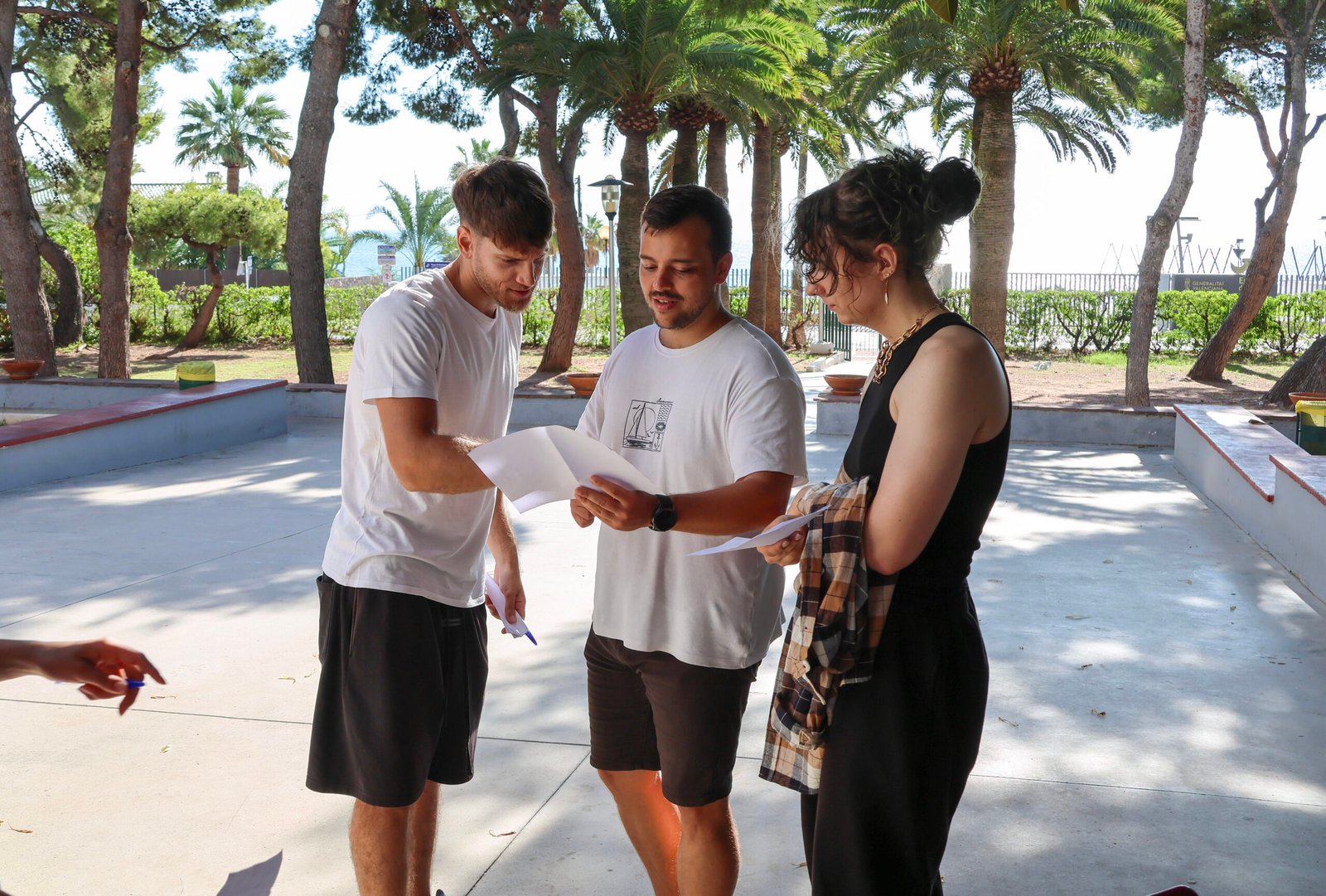
A lot, and not all of it was serious discussion. The week was packed with different activities, from group conversations and creative challenges to practical games played on the phones, where participants got to try out how online tools and social media work. Learning by playing is a big part of how youth exchanges are implemented.
Here are a few examples of what the activities looked like, just to give you a hint. They are not the whole programme.
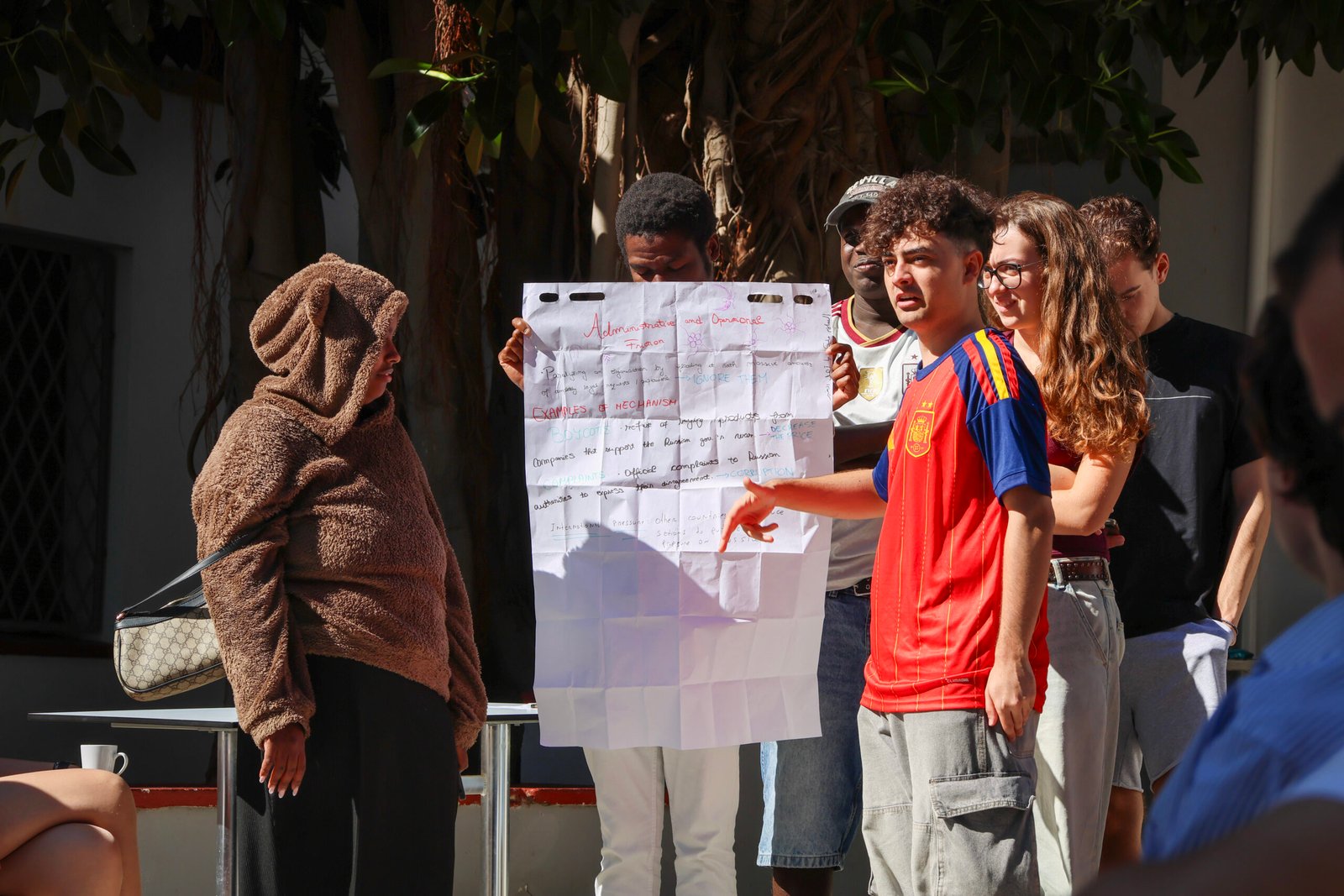
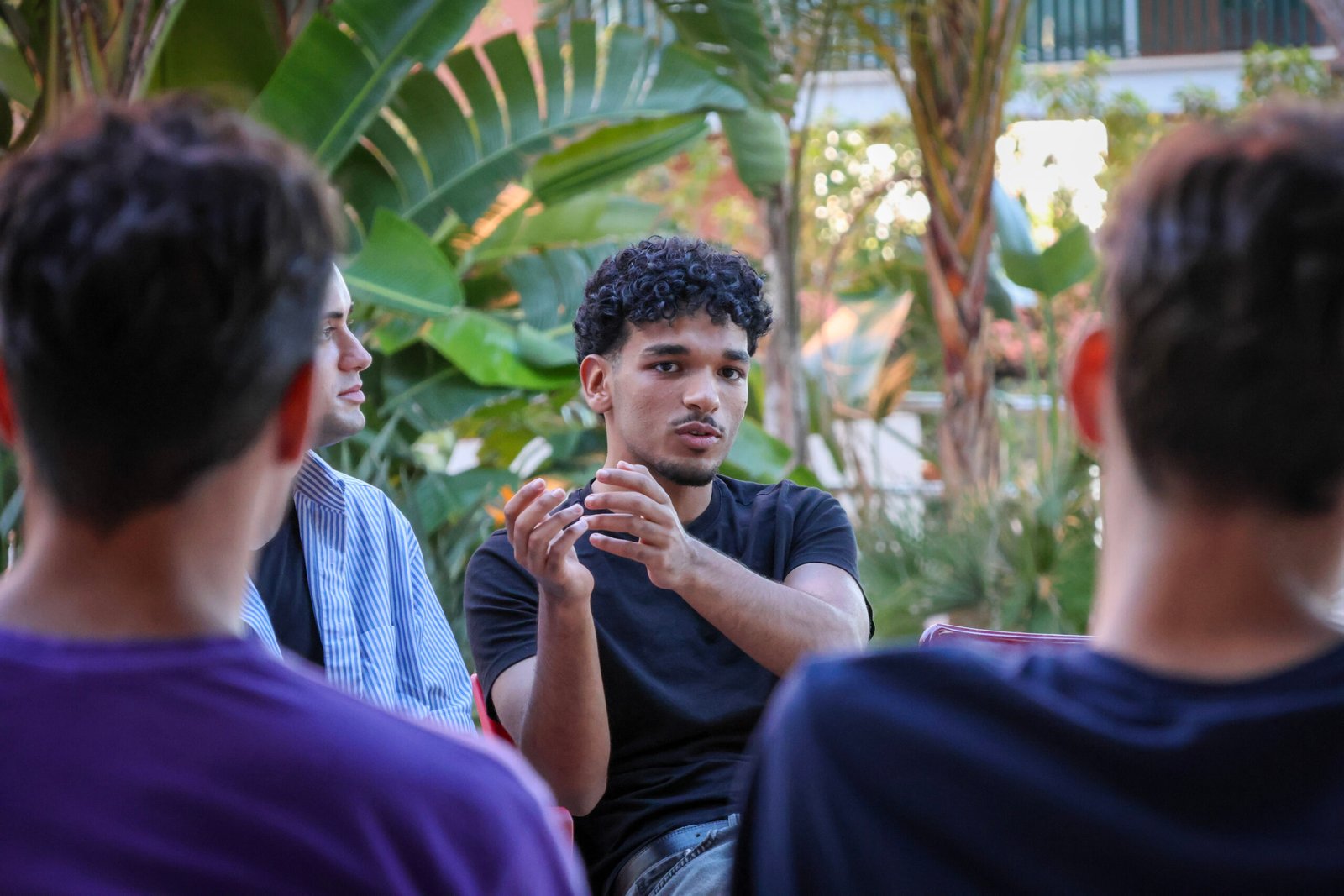
One activity looked at how activists work. Participants asked what makes people take action (usually seeing the same problem again and again, or just feeling something is unfair), who activists are talking to, and which tools they use. Spoiler: mostly TikTok and Instagram. They also talked about what gets in the way: rich lobbies, the owners of the platforms, censorship, fake news, and that one person who always says nothing will ever change.
Another one dug into six big issues: housing being treated like an investment instead of a home, gig apps controlling workers with mysterious algorithms, governments erasing the history of groups they don’t like, public squares being taken over by private companies, high tech border control that puts migrants at risk, and phone companies helping to cut off the internet while terrible things happen.
One example challenge: Campaigns of Love
This one got very practical. Everyone worked on a realistic situation: bullying at school that doesn’t stop when the bell rings. It continues in group chats, fake accounts and anonymous apps. Schools say it’s not their problem, classmates stay quiet because they’re scared they’ll be next, and the person being bullied ends up completely alone.
The groups had to design a positive online response using one of five ideas. The first was giving the affected person a real voice, by making a short video that tells their story on their own terms. The second was building a safe, private space where targeted people are protected and only trusted people get in. The third was radical joy, showing happiness, pride and success to fight the constant doom, without pretending everything is fine. The fourth was coordinated appreciation, where lots of people send support at the same time to someone who’s being hit with negativity. The fifth was creating a lasting archive of stories so important things don’t get forgotten when the news moves on.
The point? Online activism doesn’t have to be all anger and shouting. It can be about care and looking out for each other.
Intercultural night, everyone’s favourite
Every youth exchange has one of these, and it’s usually the highlight. Everybody brings traditional snacks and drinks from their country and shares them with the group. You try new flavours, laugh at weird combinations and learn a lot about each other’s cultures without even trying. After a few of these, strangers turn into friends.
So, should you go to one?
If you like meeting new people, learning things that matter and having a week away from normal life, absolutely. You don’t need to be an expert in anything. You just need to be curious and ready to join in. By the end of this week, a bunch of young people proved that a click can be the start of something real, as long as you do something with it.”
Co-funded by the European Union. Views and opinions expressed are however those of the author(s) only and do not necessarily reflect those of the European Union or the Instituto de la Juventud (INJUVE). Neither the European Union nor the granting authority can be held responsible for them.