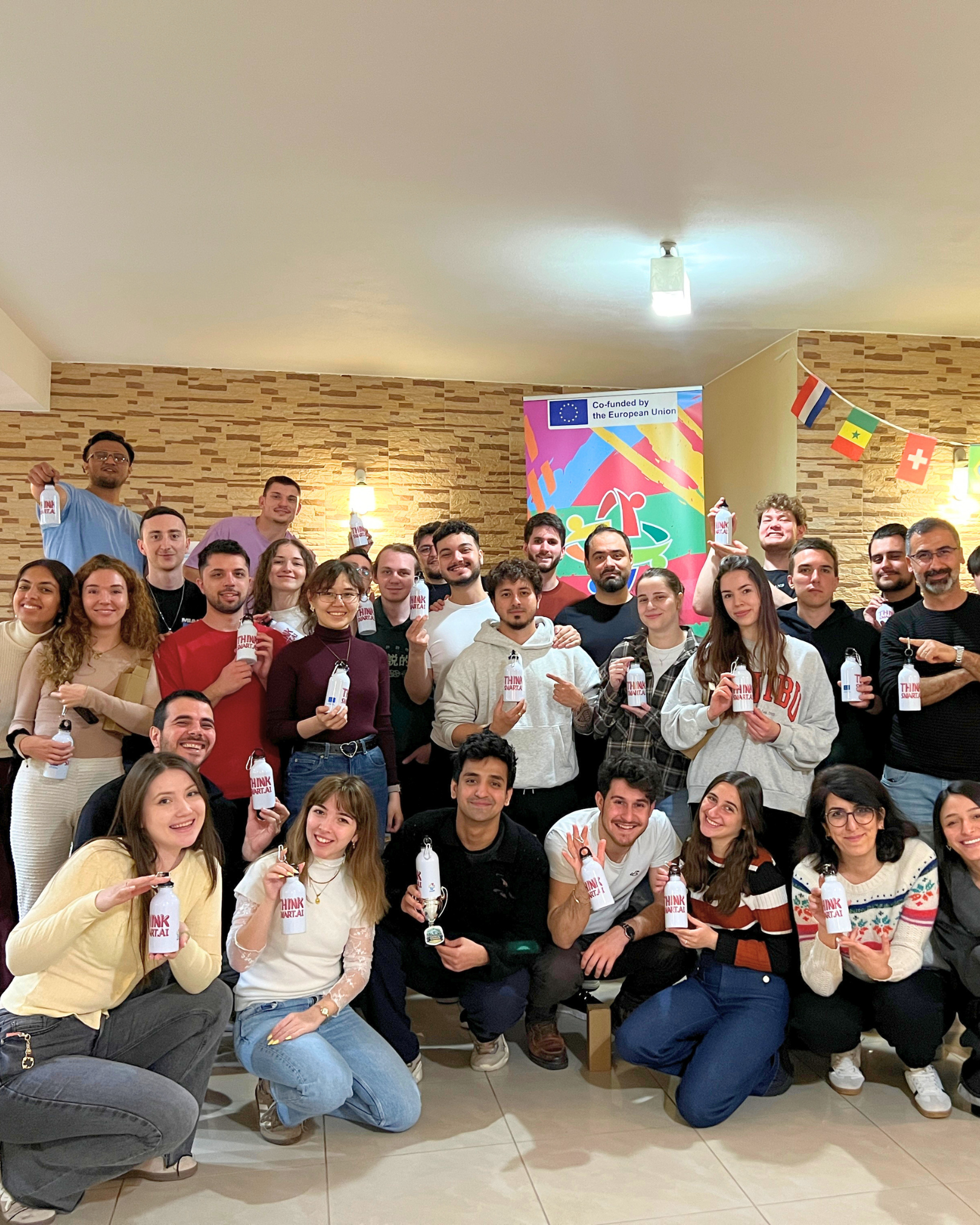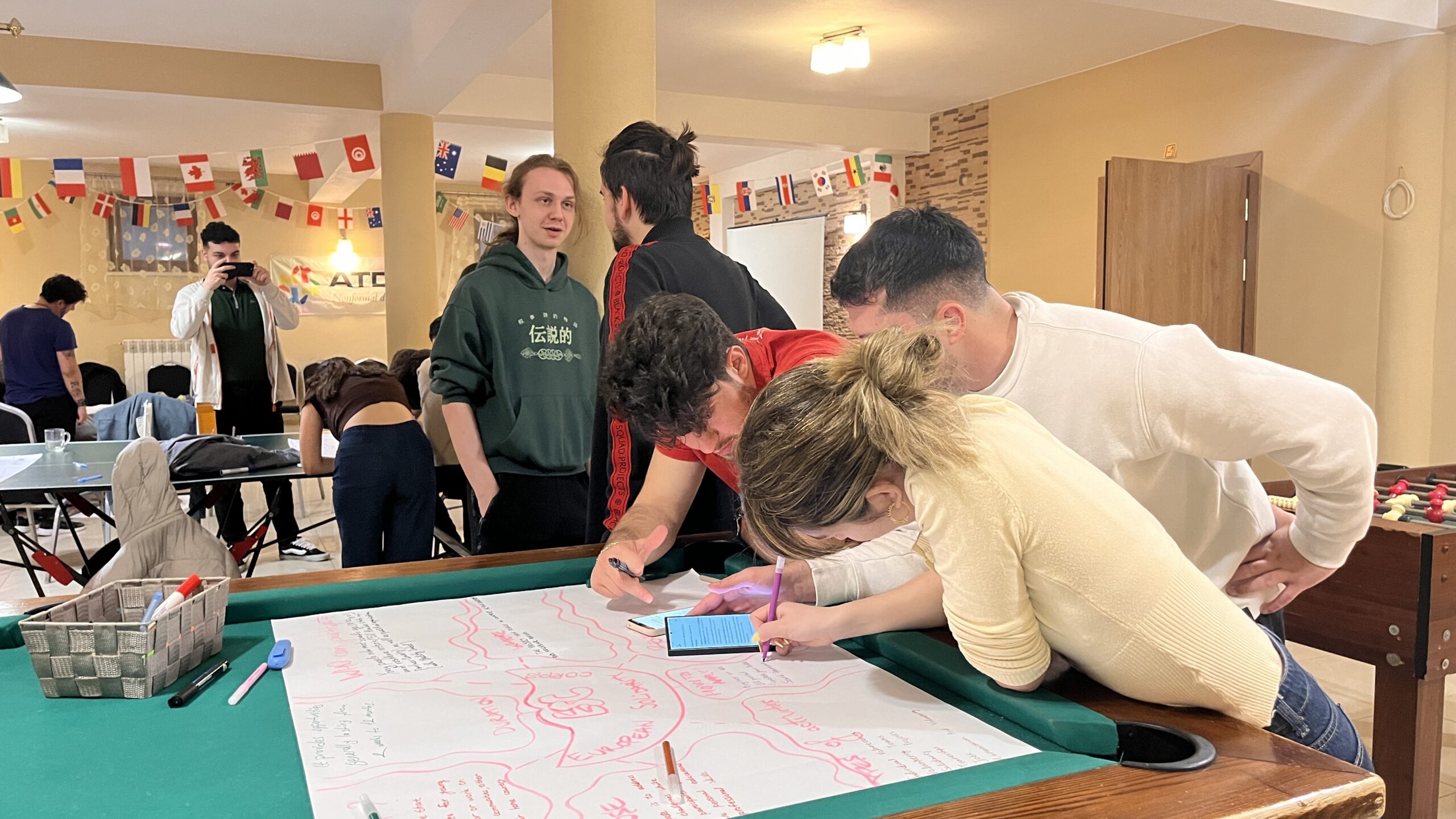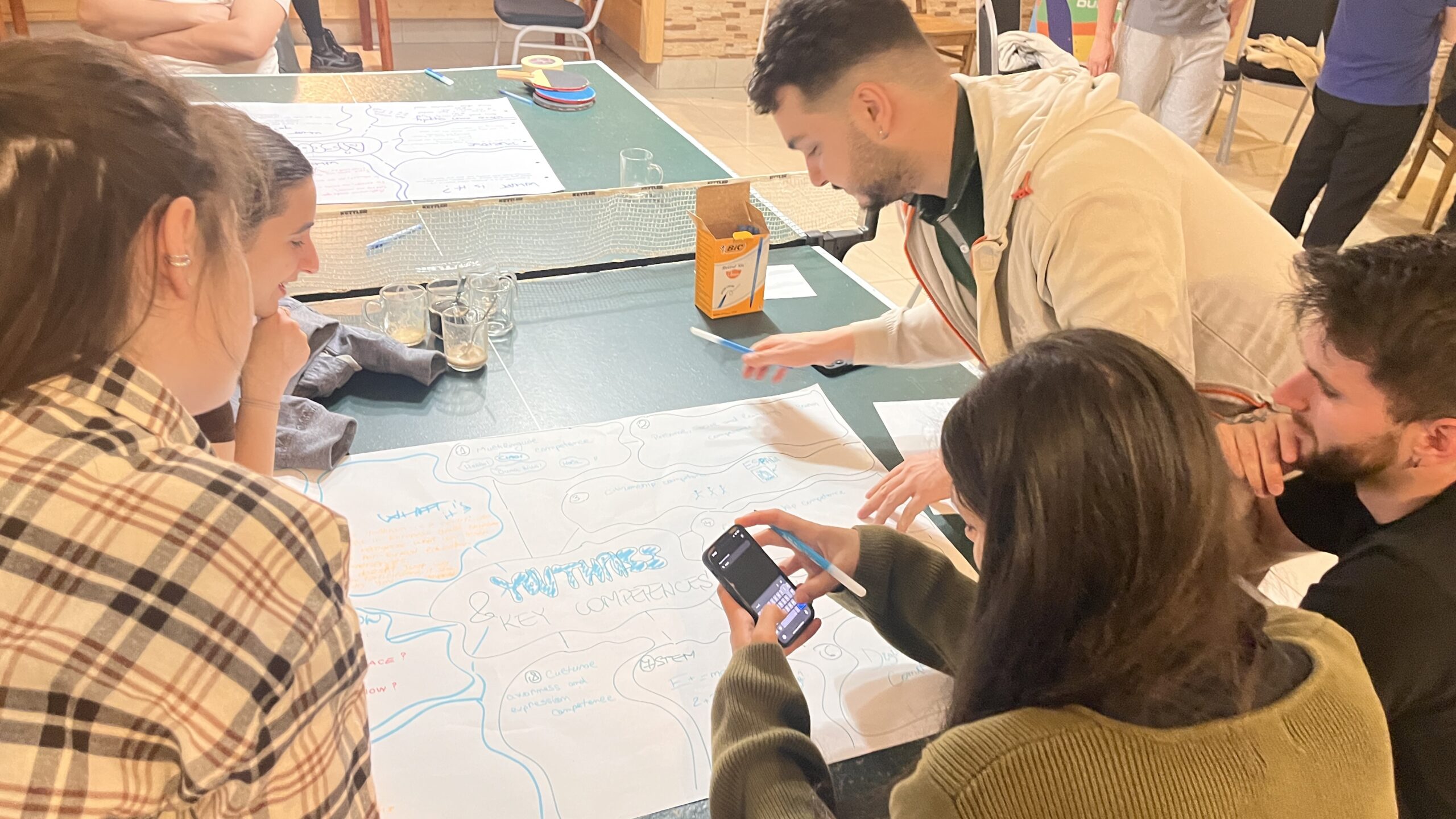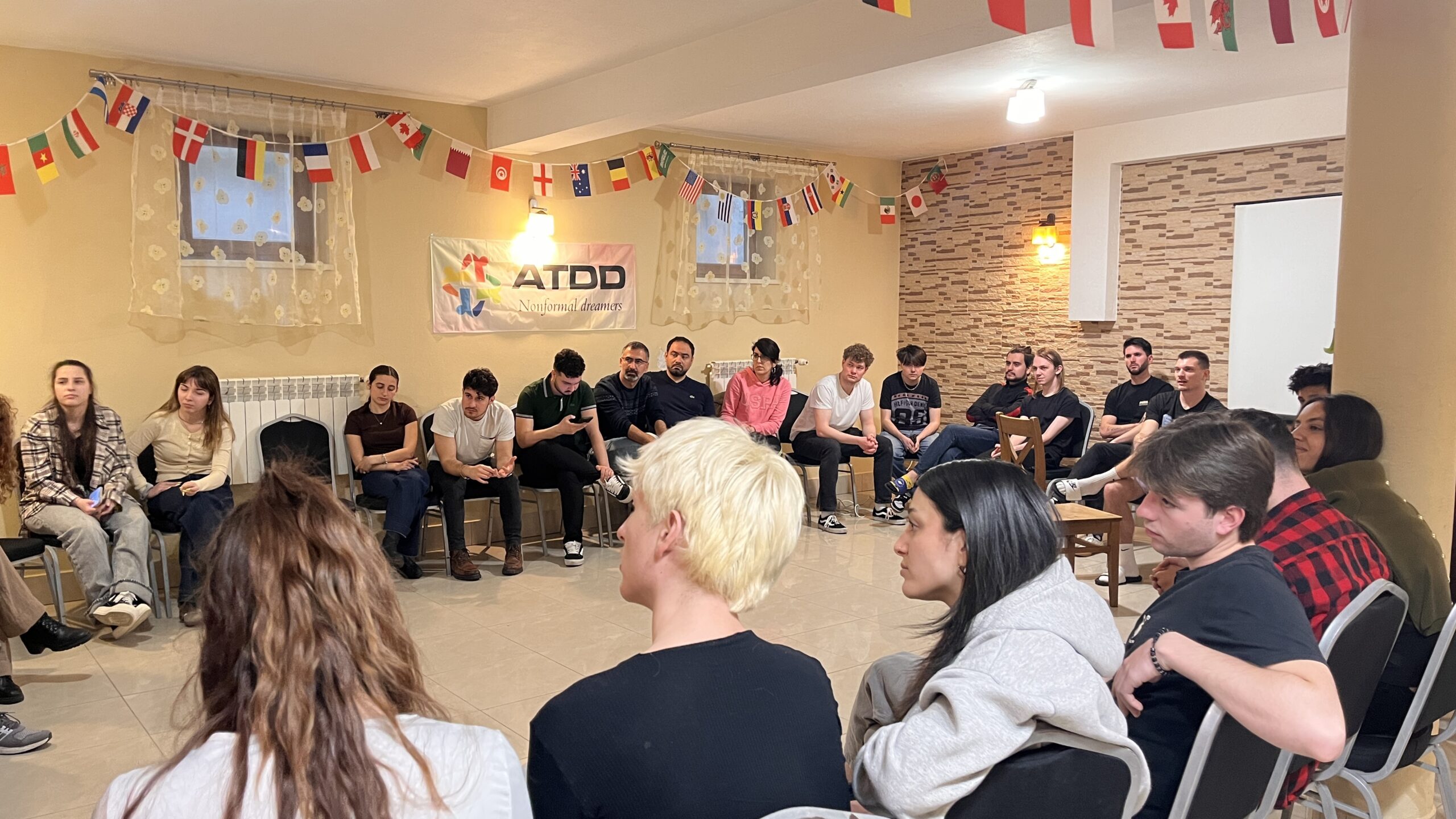
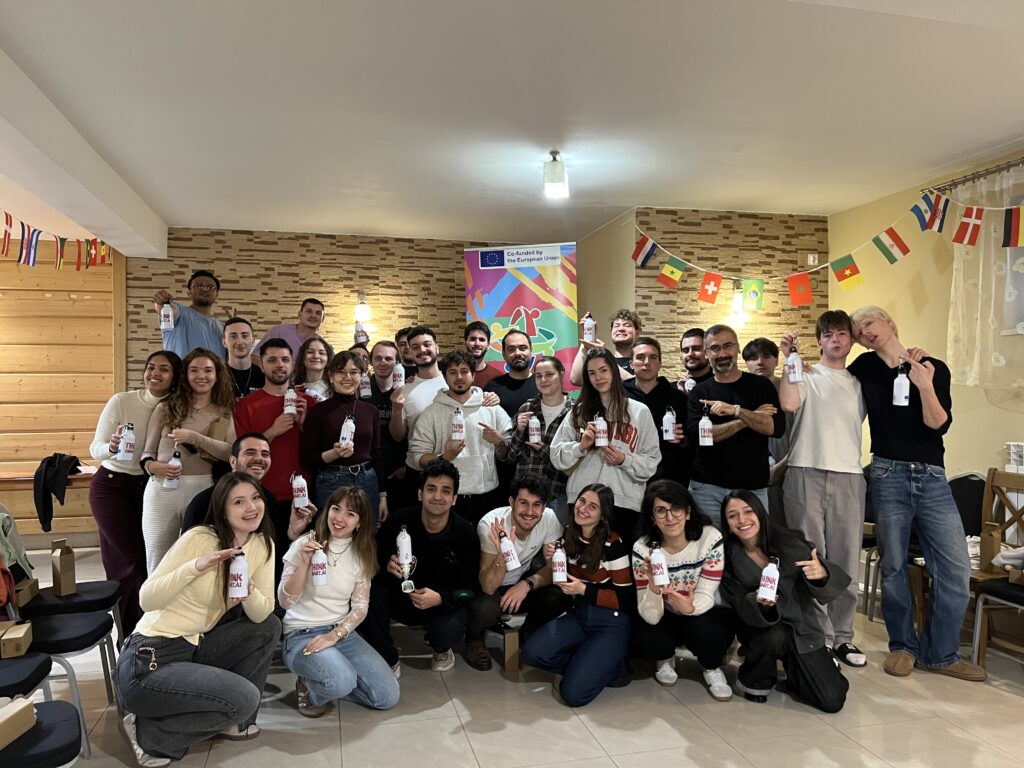
From 14 to 22 April 2026, our participants from Spain took part in the Erasmus+ training course “ThinkSmart.AI”, held in Murzasichle, Poland. The project brought together participants from Germany, Romania, Italy, Spain, Greece, Czech Republic, Poland, Serbia and Türkiye to explore how artificial intelligence is changing the way we learn, communicate, create content, and navigate information online.
The training focused on critical thinking and responsible digital participation in the AI era. During the programme, participants explored how AI tools work, how they can be used in educational and youth work contexts, and what risks appear when digital content is created, shared, or trusted without reflection. The activities covered topics such as AI models, prompting techniques, fact-checking methods, AI-generated content, fake news detection, and the ethical challenges linked to the use of artificial intelligence.
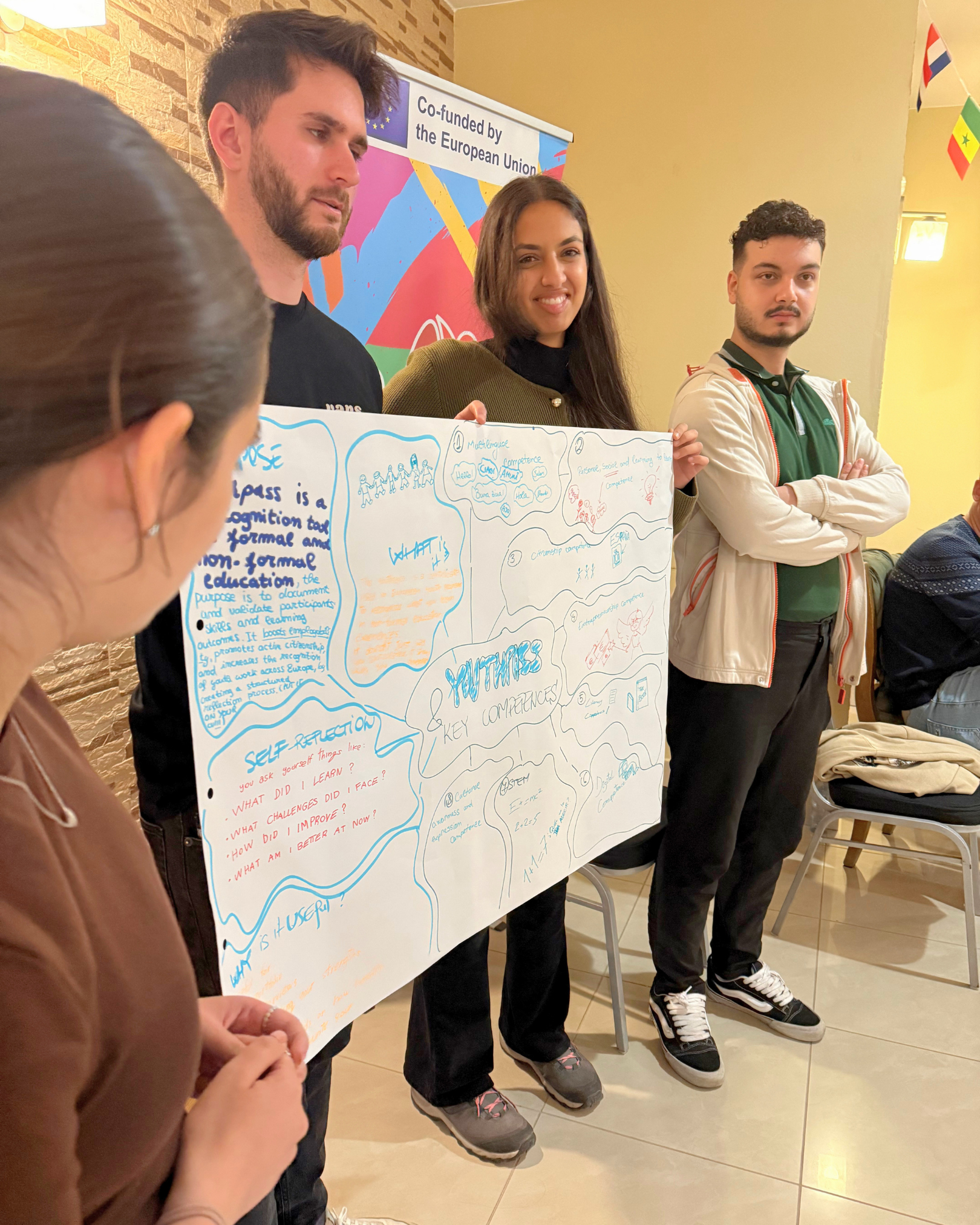
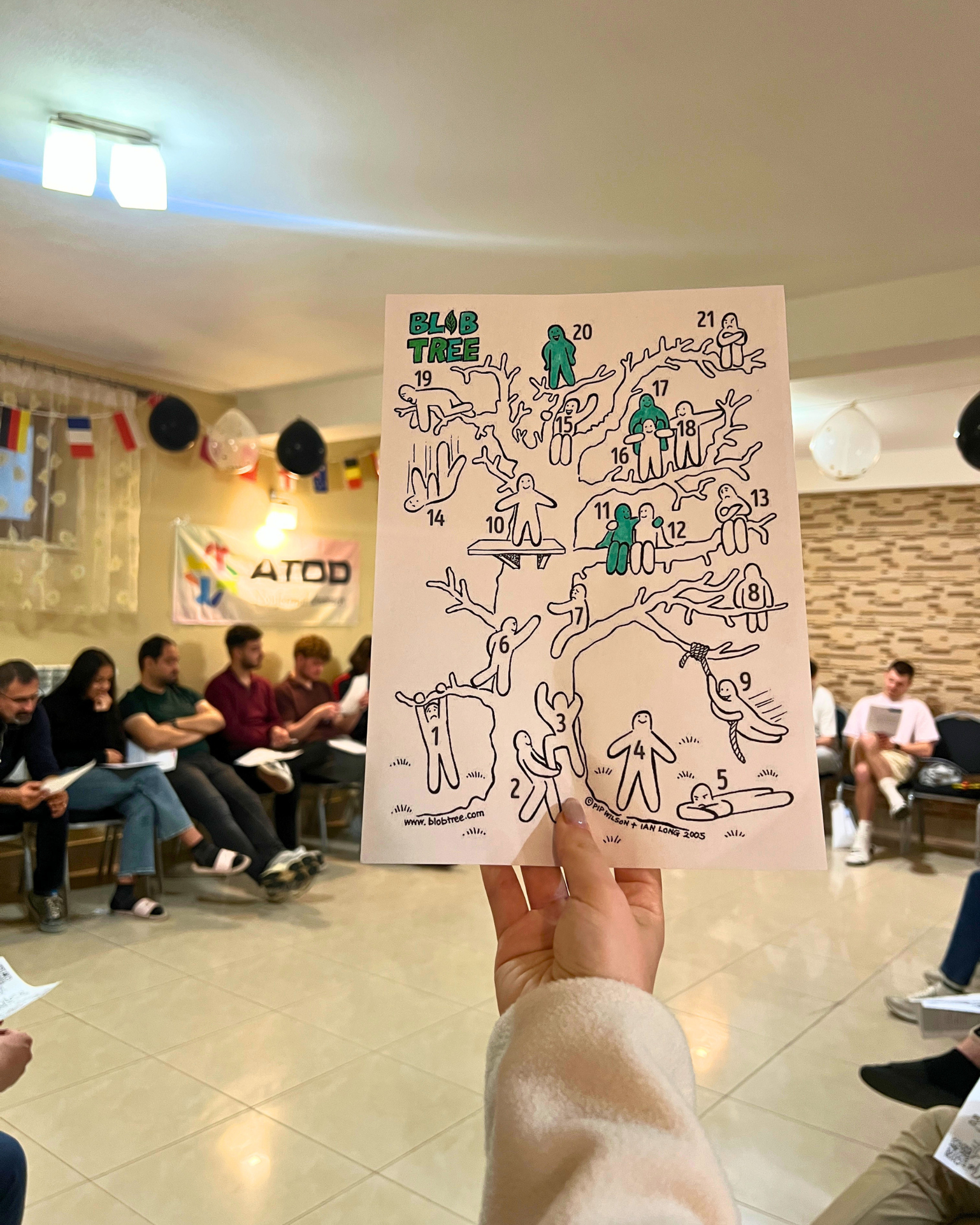
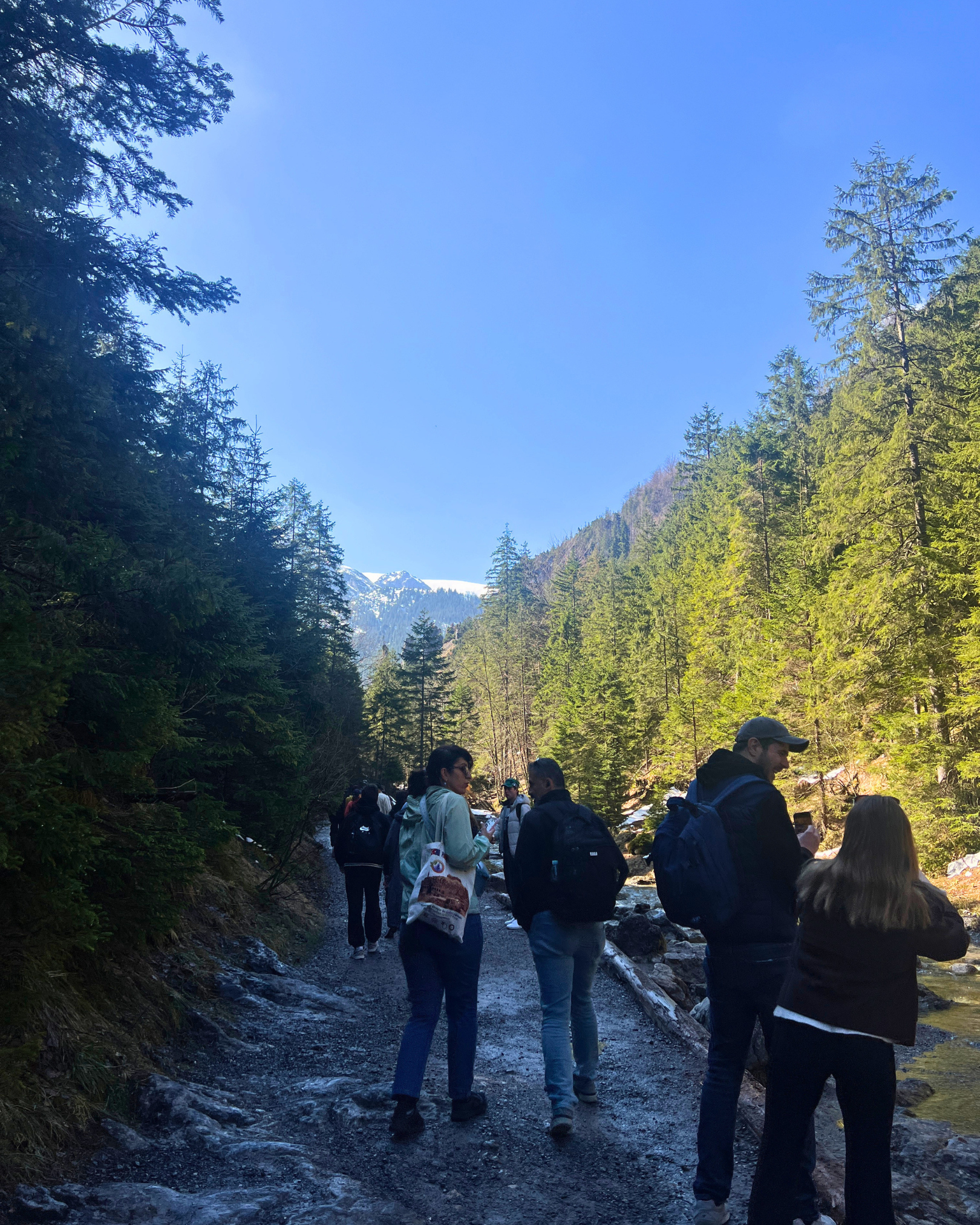
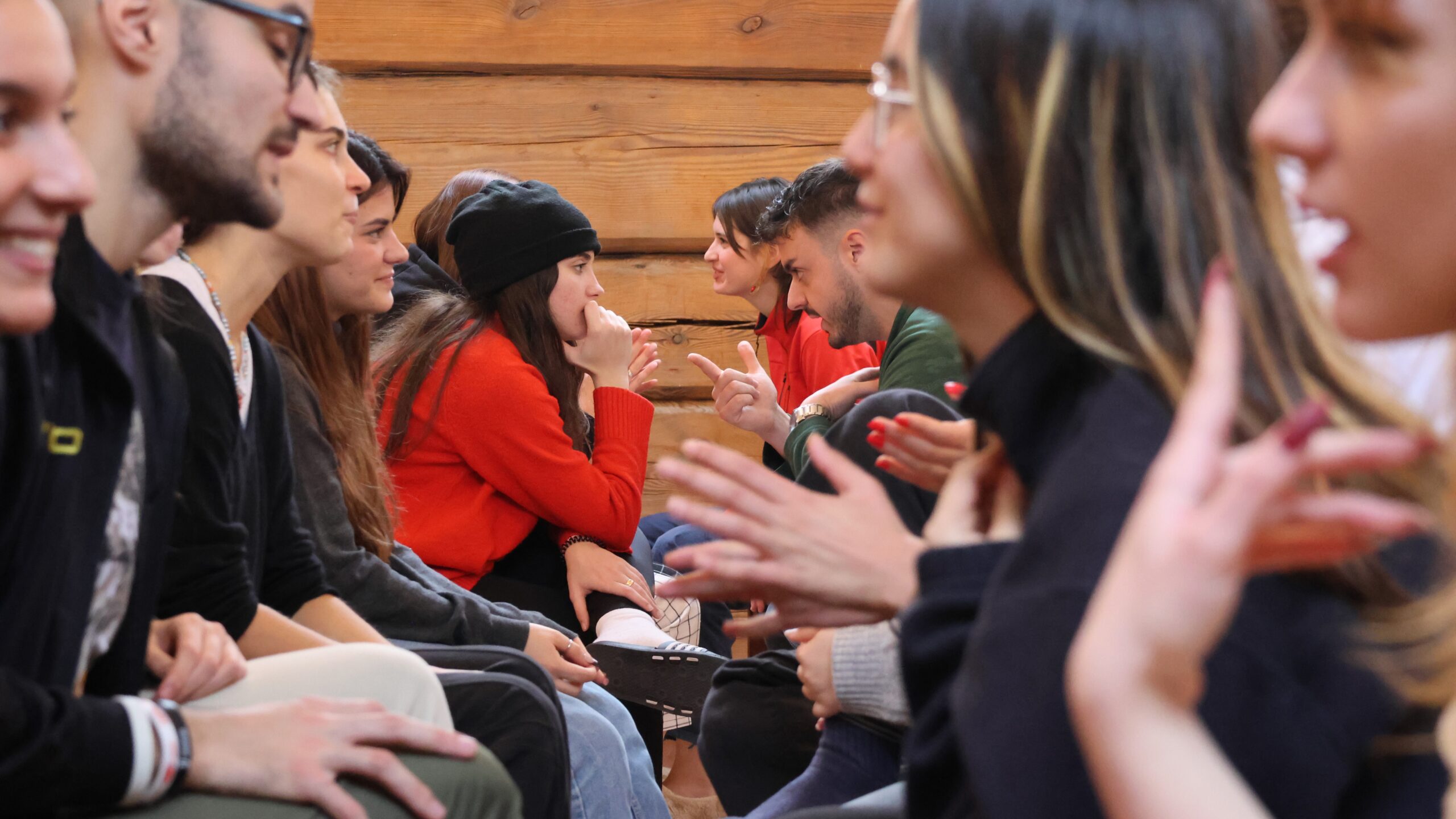
Throughout the week, participants worked through non-formal education methods, group activities, practical challenges, and creative tasks. They tested different AI tools, analysed examples of AI-generated content, discussed real cases from their communities, and reflected on both the positive potential of AI and the risks connected to misinformation and manipulation. The programme also included intercultural activities and moments of cultural exploration, including a visit to Zakopane and time in the Tatra Mountains.
A key part of the training was the creation of practical outputs. Participants worked in international teams to develop digital learning tools and awareness-raising video tutorials focused on responsible AI use, critical thinking, fake news detection, and identifying AI-generated content. These materials helped turn the learning process into something that could be shared with other young people and local communities after the project.
In addition to this, the topic was closely connected to Creant Europa’s work on youth work, youth participation, democracy, and narrative justice. Artificial intelligence is already part of the information environment in which young people form opinions, communicate with others, and make everyday decisions. This makes digital and media literacy a practical competence for active citizenship. Young people and youth workers need tools to question what they see online, assess sources, recognise manipulation, and use technology in ways that support learning, participation, and democratic dialogue.
After returning home, participants were encouraged to share their learning through individual dissemination activities and local events. These follow-up actions helped transfer the results of the project beyond the training course itself, reaching other young people and supporting wider discussion about artificial intelligence, media literacy, and responsible digital participation.
Funded by the European Union. The opinions and views expressed are, however, the sole responsibility of the author(s) and do not necessarily reflect those of the European Union or the European Education and Culture Executive Agency (EACEA). Neither the European Union nor EACEA is responsible for them.